
PORTScast Calendar
Did PORTScasts just become your new favorite show?
Tune in with classrooms from around California to engage with a new park expert daily!
In this program, students will discover salt marsh plant and animal species using observational skills, movement, and nature journaling techniques. We’ll focus on the plants’ adaptations to salty ocean water in the largest coastal wetland in southern California. Join us virtually at the Tijuana River National Estuarine Research Reserve.
Join us for a spook-tacular virtual field trip exploring the fascinating world of owls at Hearst San Simeon State Park! We’ll uncover the adaptations that make these mysterious birds such incredible nocturnal hunters—it’s sure to be a real owl-oween treat. Please bring a piece of paper and a writing utensil so that you can make your very own Franken-Owl.
Dive into kelp forest ecology and conservation at Mendocino Headlands State Park! With the loss of two keystone species – sea otters and sunflower sea stars – plus the impacts of climate change, our kelp forests have declined rapidly over the last 10 years. But we can help!
During this 45-60 min program, your students will explore the mythology, the art, and the architecture of ancient civilizations. Statues such as the Egyptian goddess Sekhmet will transport students 3000 years back in history. The Neptune Pool will provide proof that the Greeks and Romans still influence our world today. Hearst Castle preserves a collection of art and artifacts that symbolizes the traditions and beliefs of these cultures. This program supports 6th-grade curriculum standards.
Jellies (aka jellyfish) have amazing adaptations that allow them to thrive throughout our world’s ocean. From surface waters to the deepest depths, from the warm tropics to the chilly poles, join us at San Elijo State Beach to unravel the mysteries as to how these creatures have survived for millions of years. Also, learn about what the future holds for them and other species that are being affected by Climate Change.
Join us at Gaviota State Park for a spooktacular draw-along featuring one of the ocean’s most mysterious creatures: the wolf eel! Together, we’ll discover fascinating facts about this unique marine species, explore its anatomy and habitat, and learn what makes the wolf eel such an incredible resident of the rocky reefs along the California coast.
Hop over to Angel Island State Park for a spooky retelling of a true story that happened at the Quarantine Station in 1907. Help us solve the mysterious tale of the “devil of Angel Island” as we investigate newspaper clippings and historic photos through a dramatic reenactment. Prepare your students with a piece of paper and art supplies as they jot down clues during their investigation.
Challenge your ideas about some commonly feared animals in this not-so-spooky PORTScast at Samuel P. Taylor State Park! We will use clues to solve riddles about our animals in question, and uncover some unique adaptations that help the environment thrive! In the spirit of Halloween, join us to discover why the spooky can be spectacular.
Discover the fascinating world of bats with Park Interpreter Erika at Humboldt Redwoods State Park. Learn what makes these nocturnal creatures unique, from their amazing adaptations to their important role in nature. Explore their ties to Halloween and how we are helping conserve and research them right here in the park.
In the spirit of Halloween, dive into the spooky world of the deep sea and meet some of the ocean’s strangest animals! Discover how creatures survive in a dark, cold, high-pressure world using fascinating adaptations like bioluminescence, giant eyes, and unusual body shapes.
Explore the towering coast redwoods in this virtual program and uncover the secret to their incredible height – water! Learn how this forest giants rely on fog, rain, and unique adaptations to thrive in their coastal and changing environment. Redwoods are more than just trees—they are living testaments to the power of adaptation and the magic of nature! This program is designed for 3rd grade and above but may also be suitable for younger audiences at the teacher’s discretion.
Join us as we explore California Indigenous culture and the state’s most abundant natural food source. We will examine how acorns sustained communities for thousands of years through traditional gathering and processing methods. Along the way, we will explore acorn preparation, California Native history, and the plants and animals that are connected to this important food source.
Join a State Park Interpreter from Jedediah Smith Redwoods State Park to hear about the incredible story of the Marbled Murrelet. This seabird spends the far majority of its life floating along the coastline, but for a brief moment of their life, they can be seen dashing through the tops of redwoods. Join to learn more about this bird. Ultimately, this program will expand your knowledge of the Marbled Murrelet and what you can do to help them succeed!
Gulls just wanna have fun – and we’re ready to SEA-gulls through a whole new light! Join us to discover the fascinating world of gulls, uncover their unique adaptations and behaviors, and see these familiar coastal birds in a whole new way.
In this program, students will discover salt marsh plant and animal species using observational skills, movement, and nature journaling techniques. We’ll focus on the plants’ adaptations to salty ocean water in the largest coastal wetland in southern California. Join us virtually at the Tijuana River National Estuarine Research Reserve.
Join us to learn about the ancestral and modern life of the Chumash culture and people at Refugio State Beach. Chumash descendants Tom and Levi will share their cultural heritage and we will have the opportunity to explore ocean resources from below the surface with our divers!
Dive deep into the fascinating lives of Northern Elephant Seals from Hearst San Simeon State Park! Watch these animals live from the largest mainland elephant seal rookery in the world while learning about the astounding adaptations that allow them to dive deep, migrate thousands of miles per year, go months without eating, and so much more.
We welcome you for a fin-tastic virtual adventure at Torrey Pines State Natural Reserve! Together, we’ll dive into the fascinating world of white sharks and discover why young white sharks are often spotted and sometimes aggregate in the waters off of Torrey Pines State Beach and other Southern California beaches. Get your paper and pencils ready! We will draw a white shark together while learning about the unique adaptations that make these incredible animals who they are. Along the way, students will uncover fun shark facts, explore what makes white sharks such fascinating creatures, and discover why they play such an important role in the marine ecosystem.
Explore and learn about the ancestral and modern life of the Chumash culture and people. Chumash descendants will share their cultural heritage, from traditional art and music to culinary practices and much more. Attendees will have the opportunity to engage with the speakers by asking questions and gain a deeper appreciation for the resilience and contributions of the Chumash people both past and present. Join us for this enriching experience to celebrate and learn about the vibrant Chumash culture.
For thousands of years, California’s Indigenous peoples have lived in harmony with the state’s native plants, developing deep knowledge and lasting relationships with the land. Join us as we explore this rich history and discover the cultural significance of California’s native plants. Join us from the State Indian Museum and learn how these plants provided a source of food, medicine, materials, and spiritual meaning, and continue to inspire today.
“Stewards of the Lagoon” is a water-based education program that will be hosted from inside a traditional Yurok dugout canoe! This program covers Yurok culture, while exploring the unique ecosystems and cultural history of Humboldt Lagoons State Park. Celebrate Native American Heritage Month with the North Coast Redwoods District by signing up for this special PORTScast program.
Follow a tour guide through the historic immigration detention barracks at Angel Island State Park. Most have heard about Ellis Island, but many haven’t heard about the Chinese Exclusion Act that cast a shadow over immigration policy from 1910 to 1940.
Join us on a virtual field trip to Crystal Cove State Park’s Marine Protected Area (MPA) to learn about tidepool habitats and the incredible adaptations that tidepool animals use to survive harsh environments where land meets the sea! Students explore topics including habitats, tides, adaptations, food chains, and defense mechanisms. Students also learn about Marine Protected Areas and how they help protect these fascinating and fragile tidepool ecosystems.
Join us at Marshall Gold Discovery SHP as we explore the history of the Coloma Valley before, during and after the Gold Discovery. During our program, we will take a walk through our park and learn how the discovery of gold changed California both culturally and environmentally. We will start with the story of the Coloma Valley before the Gold Discovery and will learn about the history of the California Gold Rush and its impact on the town of Coloma and the surrounding valley. Program resources for classrooms can be found here.
.
In this program, students will discover salt marsh plant and animal species using observational skills, movement, and nature journaling techniques. We’ll focus on the plants’ adaptations to salty ocean water in the largest coastal wetland in southern California. Join us virtually at the Tijuana River National Estuarine Research Reserve.
Join us at Gaviota State Park as we soar alongside one of our favorite coastal birds: the pelican! Together, we’ll discover more about this majestic pelican form, explore its unique anatomy and habitat along the Santa Barbara Coast, and learn how this remarkable bird is adapted to life by the sea. We believe you peliCAN draw it! During this fun, all-ages program, students will learn step-by-step how to draw their very own pelican. Recommended art supplies: – Paper – Drawing tools like pencil, pen, and/or colored pencils
In this one-hour virtual tour of Sutter’s Fort State Historic Park, your students will join our presenter to examine the significant events associated with this historic site. They will learn about the lasting impacts the Fort had on the Native peoples of the Sacramento Valley, how and why John Sutter and other European Americans came to California, why the Fort was built, what work took place at the Fort, and why the Fort was abandoned during the beginning of the Gold Rush. Best suited for grades 3rd-5th, but all grades are welcome.
Climate change is real, and it is accelerating – but restoring and protecting coast redwood forests is one of the most effective natural climate solutions on Earth. “Redwoods have endured for millions of years, helping stabilize our planet and inspire resilience. By protecting and restoring these giants, we connect with their legacy, take meaningful action for the climate and leave a healthier world for future generations.” We will discuss how each of us has a role to play as stewards of California and this planet.
In this program, students will be introduced to the wonders of the giant sequoia, the biggest individual tree, and learn all about their survival secrets. We will walk around part of a giant sequoia grove at Calaveras Big Trees State Park and observe how the giant sequoia is a part of the mixed conifer forest.
Explore the Gaviota watershed and discover how water connects the mountains, creeks, coast, and ocean at Gaviota State Park. Learn how this unique landscape shapes the plants, animals, and people who call the Gaviota Coast home—and why protecting our watersheds matters.
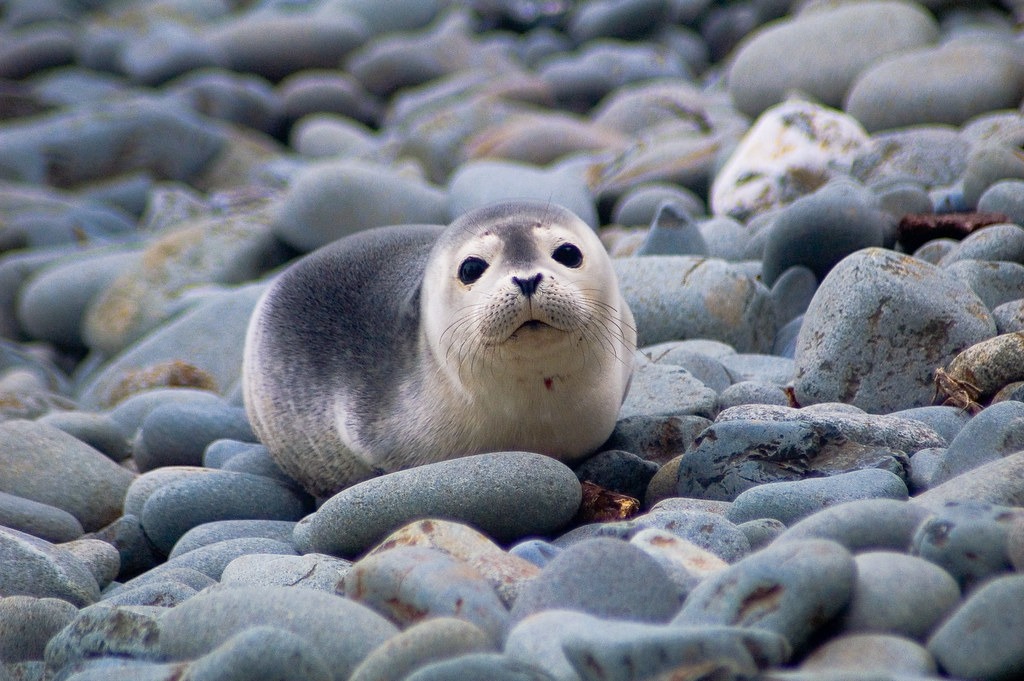
Join us at Carpinteria State Beach as we learn about harbor seals and their role in our ocean’s ecosystem. Students will learn about their haulouts and nurseries, diet, anatomy, and the incredible adaptations they exhibit to survive in the water and on land. We will conclude our program by discussing the threats harbor seals face and ways we can help protect these remarkable marine mammals, followed by some Harbor Seal trivia!
Join us as we explore California Indigenous culture and the state’s most abundant natural food source. We will examine how acorns sustained communities for thousands of years through traditional gathering and processing methods. Along the way, we will explore acorn preparation, California Native history, and the plants and animals that are connected to this important food source.
Dive deep into the fascinating lives of Northern Elephant Seals from Hearst San Simeon State Park! Watch these animals live from the largest mainland elephant seal rookery in the world while learning about the astounding adaptations that allow them to dive deep, migrate thousands of miles per year, go months without eating, and so much more.
In this one-hour virtual tour of Sutter’s Fort State Historic Park, your students will join our presenter to examine the significant events associated with this historic site. They will learn about the lasting impacts the Fort had on the Native peoples of the Sacramento Valley, how and why John Sutter and other European Americans came to California, why the Fort was built, what work took place at the Fort, and why the Fort was abandoned during the beginning of the Gold Rush. Best suited for grades 3rd-5th, but all grades are welcome.
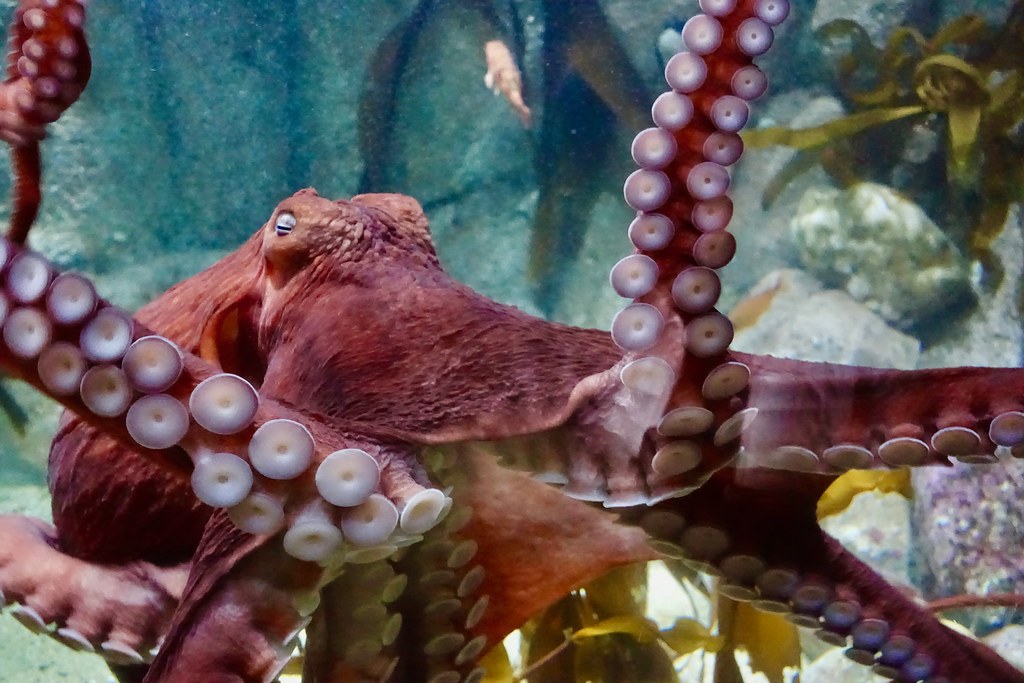
How did they become the Swiss Army Knife of adaptations? What goes on in their brain(s) that makes them the world’s most intelligent invertebrates? Join us at Carpinteria State Beach as we explore the life and evolution of the Octopus.
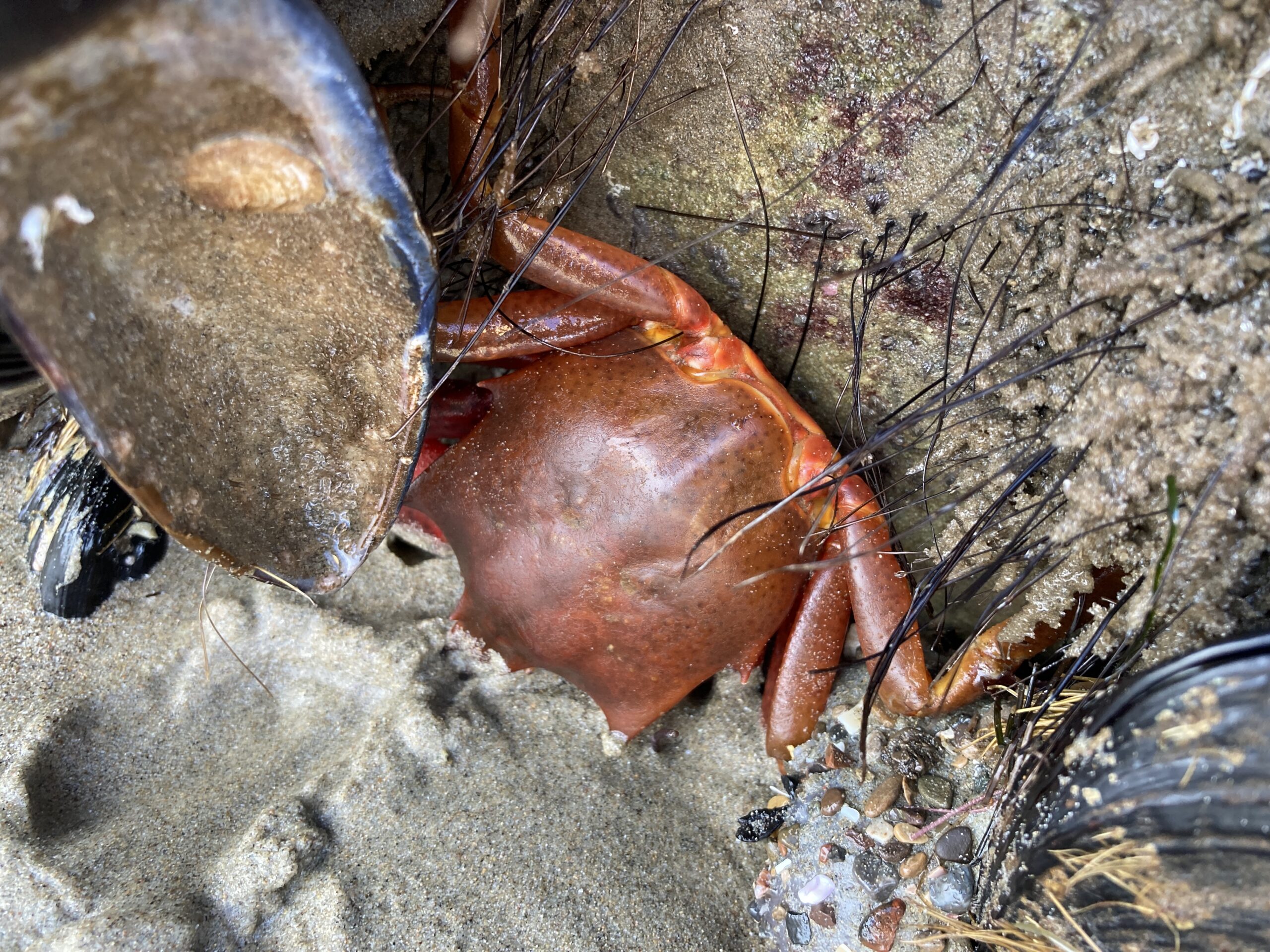
Join us at Gaviota State Park for waves of fun with our favorite arthropod: the crab! Together we’ll discover a bit about this majestic arthropod, its anatomy, and its habitat along the Santa Barbara Coast. Students will learn how to draw this special creature during this program. Program is great for all ages! Recommended art supplies: Paper – Drawing tools like pencil, pen, and/or colored pencils.
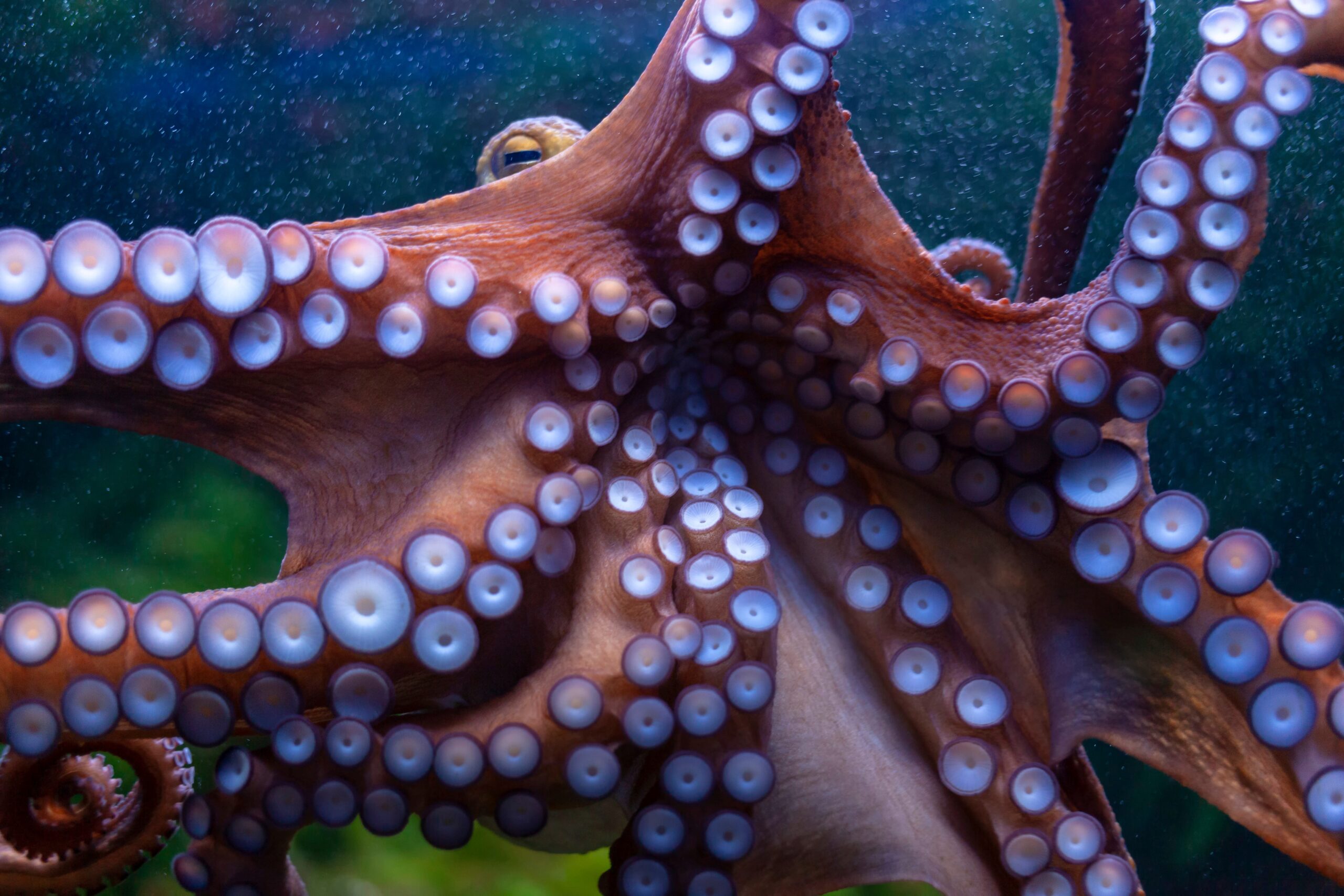
Unlock the mysteries of one of the world’s most fascinating organisms, the octopus! Join Park Interpreter Alex on the California coast for an engaging virtual field trip to Crystal Cove State Park’s Marine Protected Area and discover the fascinating adaptations octopuses use for survival. Students will discover a variety of octopus species while learning about animal defense mechanisms, life cycles, adaptations, human impacts, and how Marine Protected Areas (MPAs) are helping these curious and mesmerizing marine invertebrates.
Join us at Marshall Gold Discovery SHP as we explore the history of the Coloma Valley before, during and after the Gold Discovery. During our program, we will take a walk through our park and learn how the discovery of gold changed California both culturally and environmentally. We will start with the story of the Coloma Valley before the Gold Discovery and will learn about the history of the California Gold Rush and its impact on the town of Coloma and the surrounding valley. Program resources for classrooms can be found here.
.
Dive deep into the fascinating lives of Northern Elephant Seals from Hearst San Simeon State Park! Watch these animals live from the largest mainland elephant seal rookery in the world while learning about the astounding adaptations that allow them to dive deep, migrate thousands of miles per year, go months without eating, and so much more.
Join us at Carpinteria State Beach as we learn about harbor seals and their role in our ocean’s ecosystem. Students will learn about their haulouts and nurseries, diet, anatomy, and the incredible adaptations they exhibit to survive in the water and on land. We will conclude our program by discussing the threats harbor seals face and ways we can help protect these remarkable marine mammals, followed by some Harbor Seal trivia!
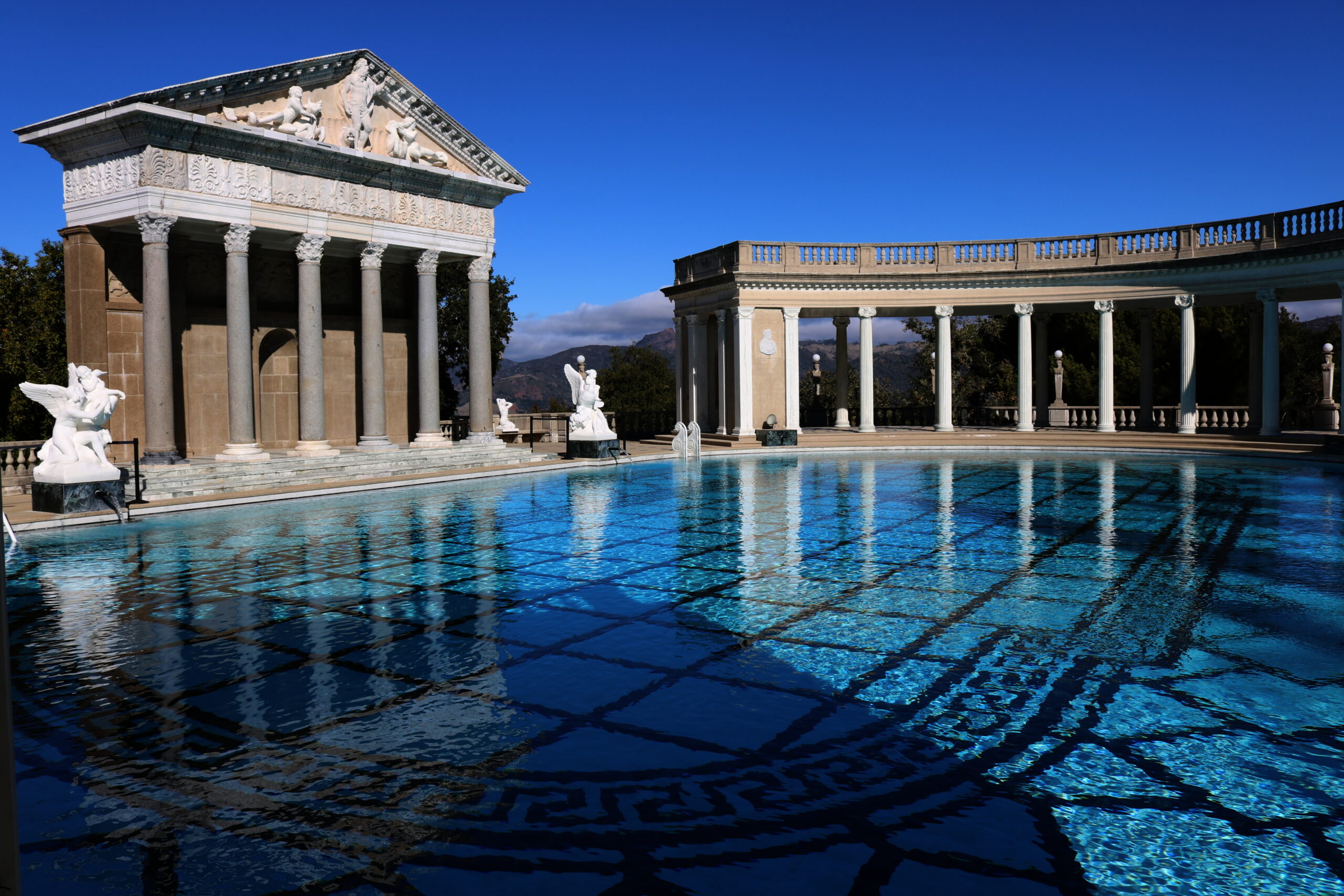
Newspaper publisher William Randolph Hearst acquired a vast art collection for his estate in San Simeon, California. Students will go on a journey exploring the art and architecture of Hearst Castle including Roman artifacts, mosaics, paintings, tapestries, and more, all with a dash of California history. During this program, your students will explore the gardens, pools, and historic structures with an interpretive guide. This all-ages program is adaptable to support art, history, and social science.
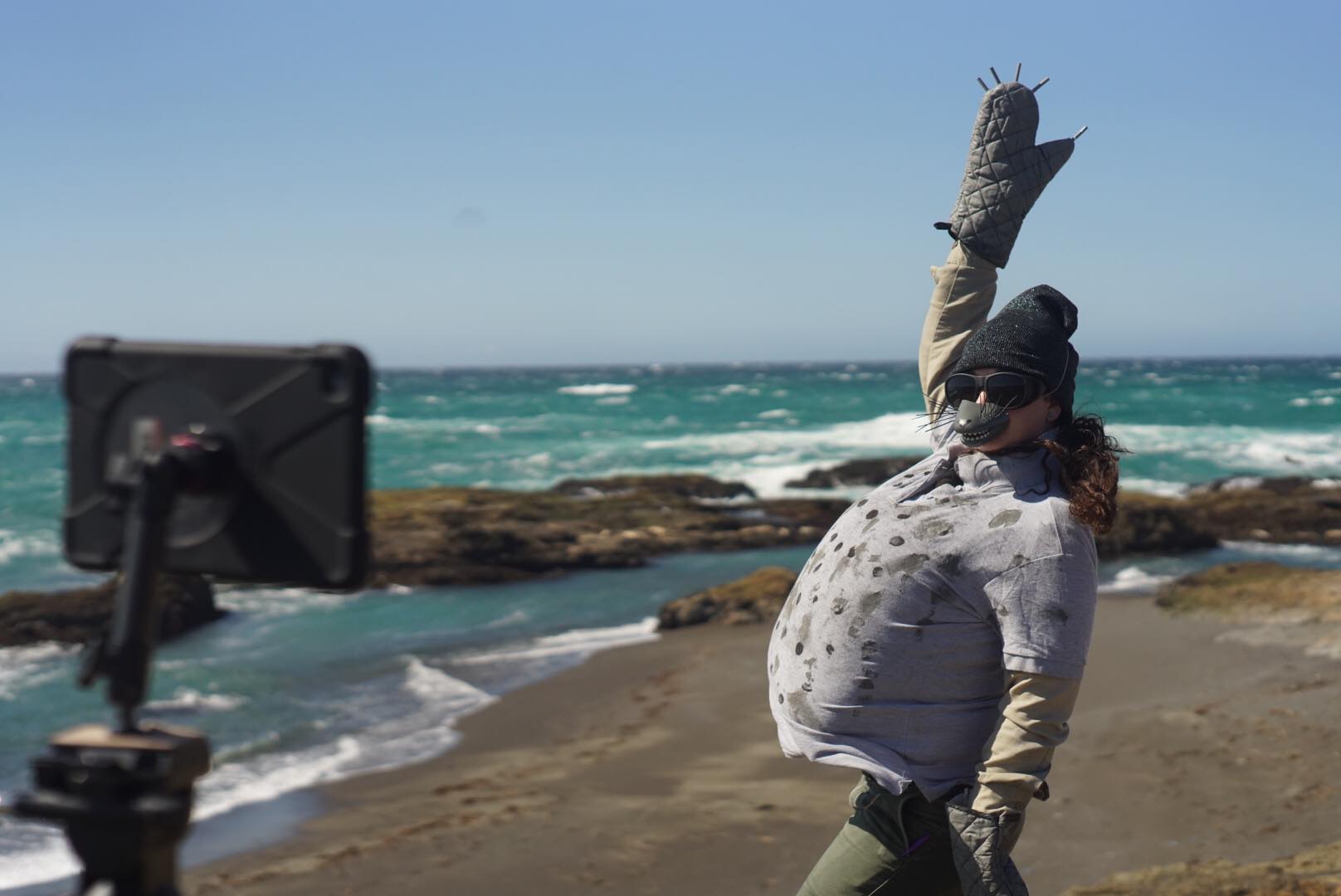
Students will virtually visit MacKerricher State Park to explore the similarities and differences between humans and marine mammals, specifically the Harbor Seal! Students will observe and identify what crucial adaptations ensure seal survival in the cold Pacific waters of northern California.
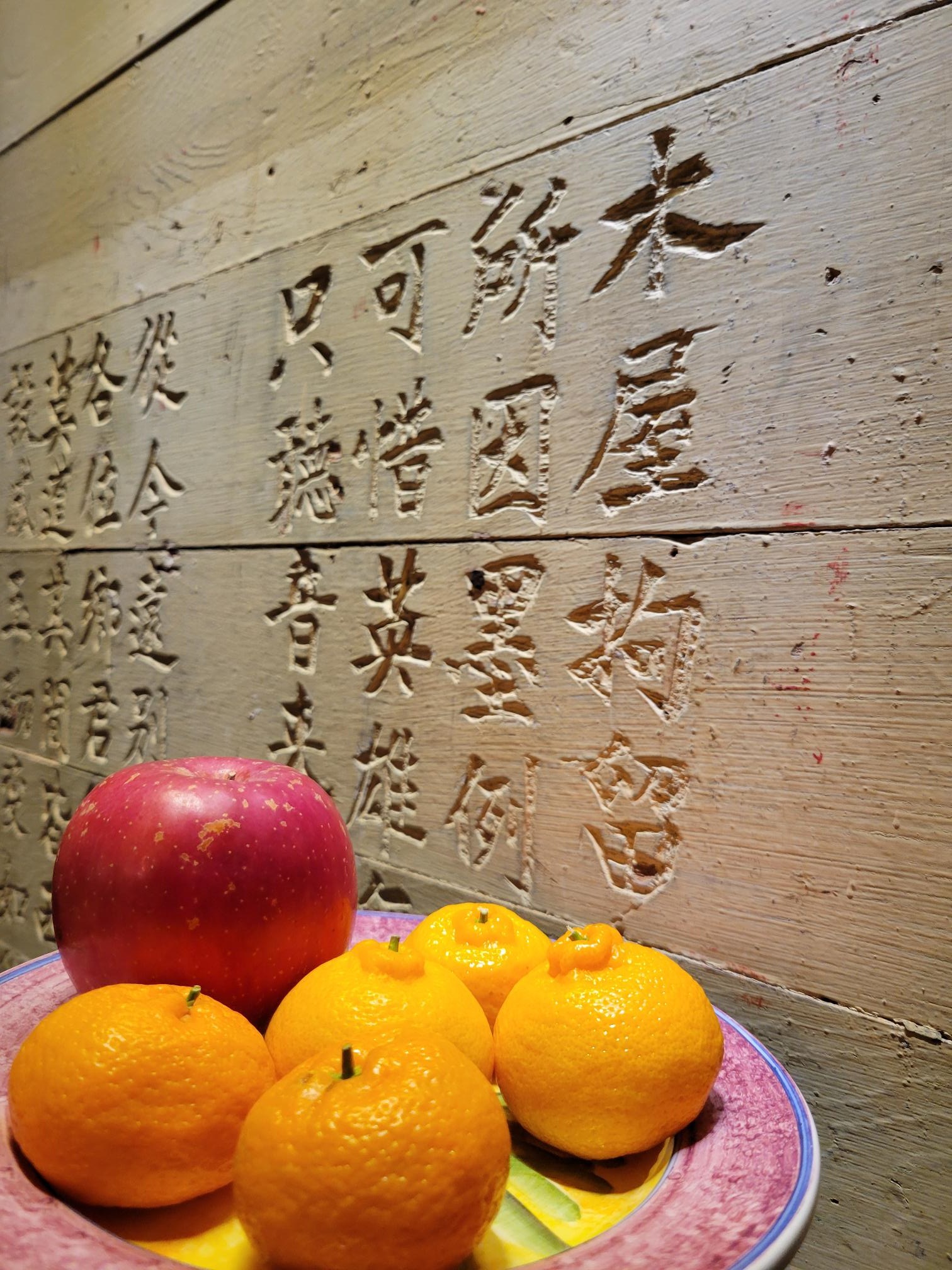
Happy Lunar New Year! 恭喜發財 / 恭喜发财! Welcome 2027 by celebrating and learning with us at Angel Island State Park! We’ll talk about the Chinese immigrant experience in the 1900s and how that relates to modern lunar new year traditions. Teachers, make sure your students have a piece of paper and art supplies! They will be drawing some of the traditions and learning how to write Chinese. (Bonus points if you can get red construction paper.)
Explore and learn about the ancestral and modern life of the Chumash culture and people. Chumash descendants will share their cultural heritage, from traditional art and music to culinary practices and much more. Attendees will have the opportunity to engage with the speakers by asking questions and gain a deeper appreciation for the resilience and contributions of the Chumash people both past and present. Join us for this enriching experience to celebrate and learn about the vibrant Chumash culture.
Dive deep into the fascinating lives of Northern Elephant Seals from Hearst San Simeon State Park! Watch these animals live from the largest mainland elephant seal rookery in the world while learning about the astounding adaptations that allow them to dive deep, migrate thousands of miles per year, go months without eating, and so much more.
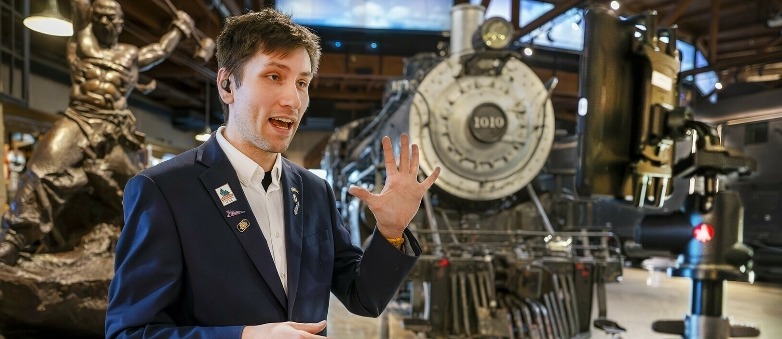
Westward Bound explores what it was like to travel on the Transcontinental Railroad and how it made the transportation of people and goods easier, safer, and cheaper than ever before. Westward travel on the Transcontinental Railroad represented a triumph against time for nineteenth-century travelers. First-class tourists expected a luxurious travel experience, while emigrants wanted safe passage to start their new lives in California.
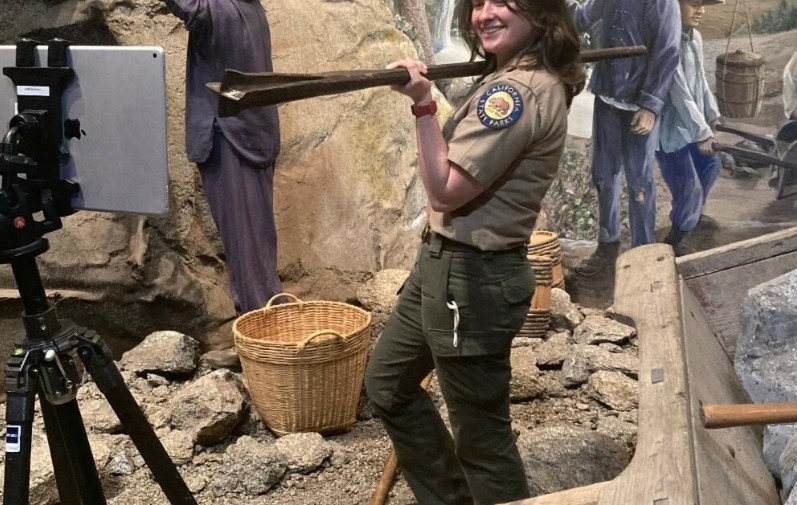
The Transcontinental Railroad changed life in America forever! Explore how the Transcontinental Railroad transformed America through labor, innovation, and invention.
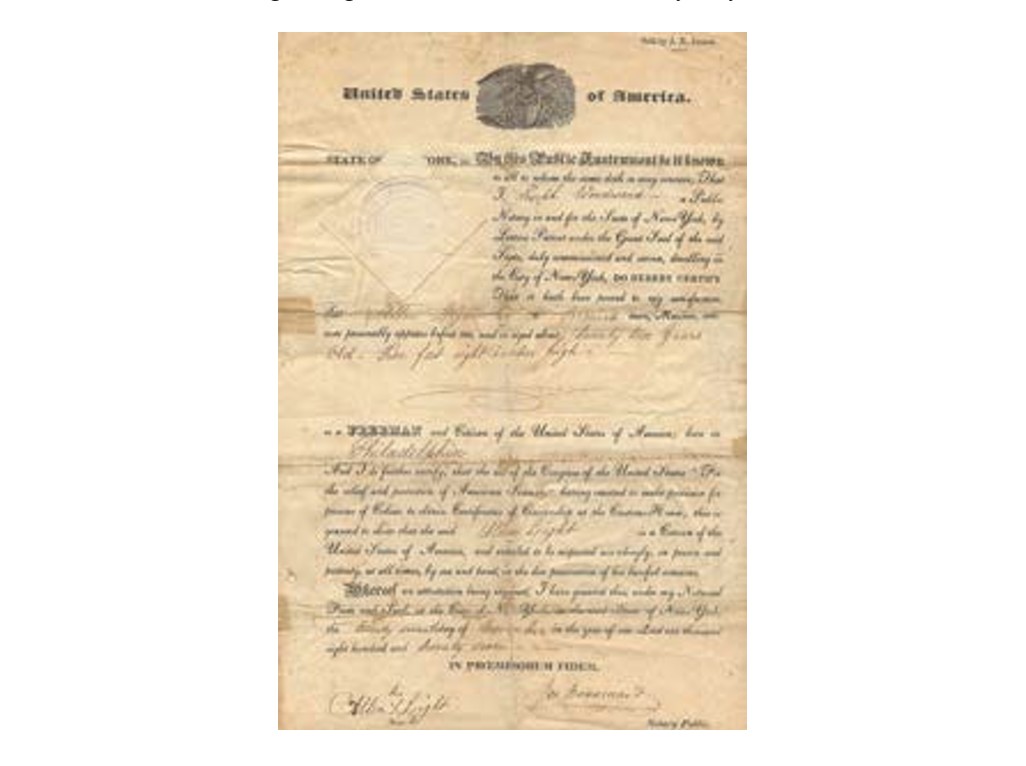
Discover the incredible treasure hidden in the walls of one of Old Town San Diego State Historic Park’s adobe buildings for nearly 100 years – not gold or jewels but two historical documents! They help tell the story of Allen Light, a Black man from the United States who came to Mexican California as a sailor, making a life as an otter hunter and even earning the favor of the governor before becoming San Diego’s first recorded Black business owner. Through Light, students will learn about sea trade in the early 19th century, its importance to Black American communities, and daily life and business in Mexican-period California.
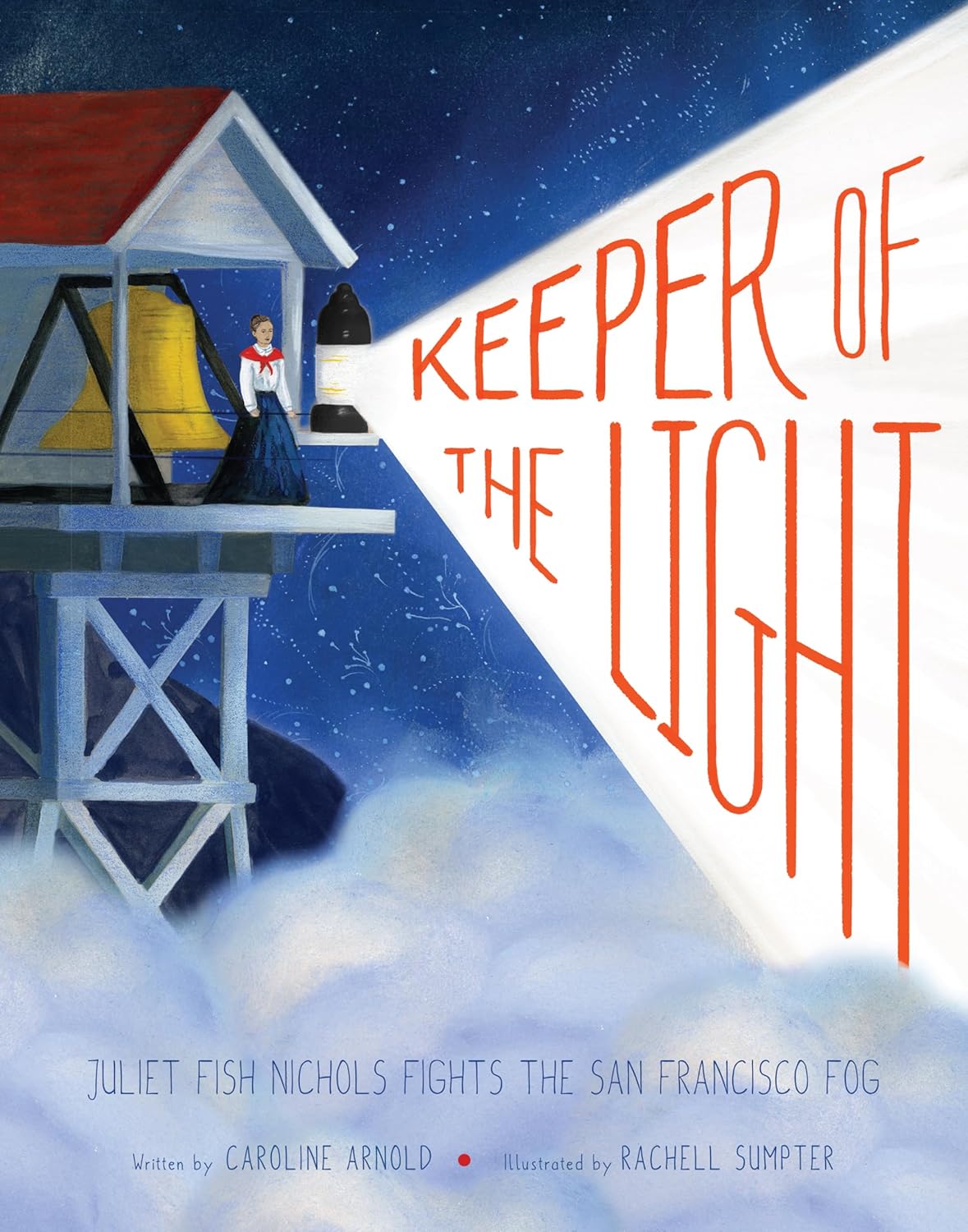
Join park staff at Angel Island State Park to learn the story of the courageous lighthouse keeper, Juliet Fish Nichols. We will share the beautifully illustrated book “Keeper of the Light: Juliet Fish Nichols Fights the San Francisco Fog”. Students will be able to see the actual type of bell that Juliet would have rang — a fog bell that would’ve been as tall as her!
Join a State Park Interpreter from Jedediah Smith Redwoods State Park to hear about the incredible story of the Marbled Murrelet. This seabird spends the far majority of its life floating along the coastline, but for a brief moment of their life, they can be seen dashing through the tops of redwoods. Join to learn more about this bird. Ultimately, this program will expand your knowledge of the Marbled Murrelet and what you can do to help them succeed!
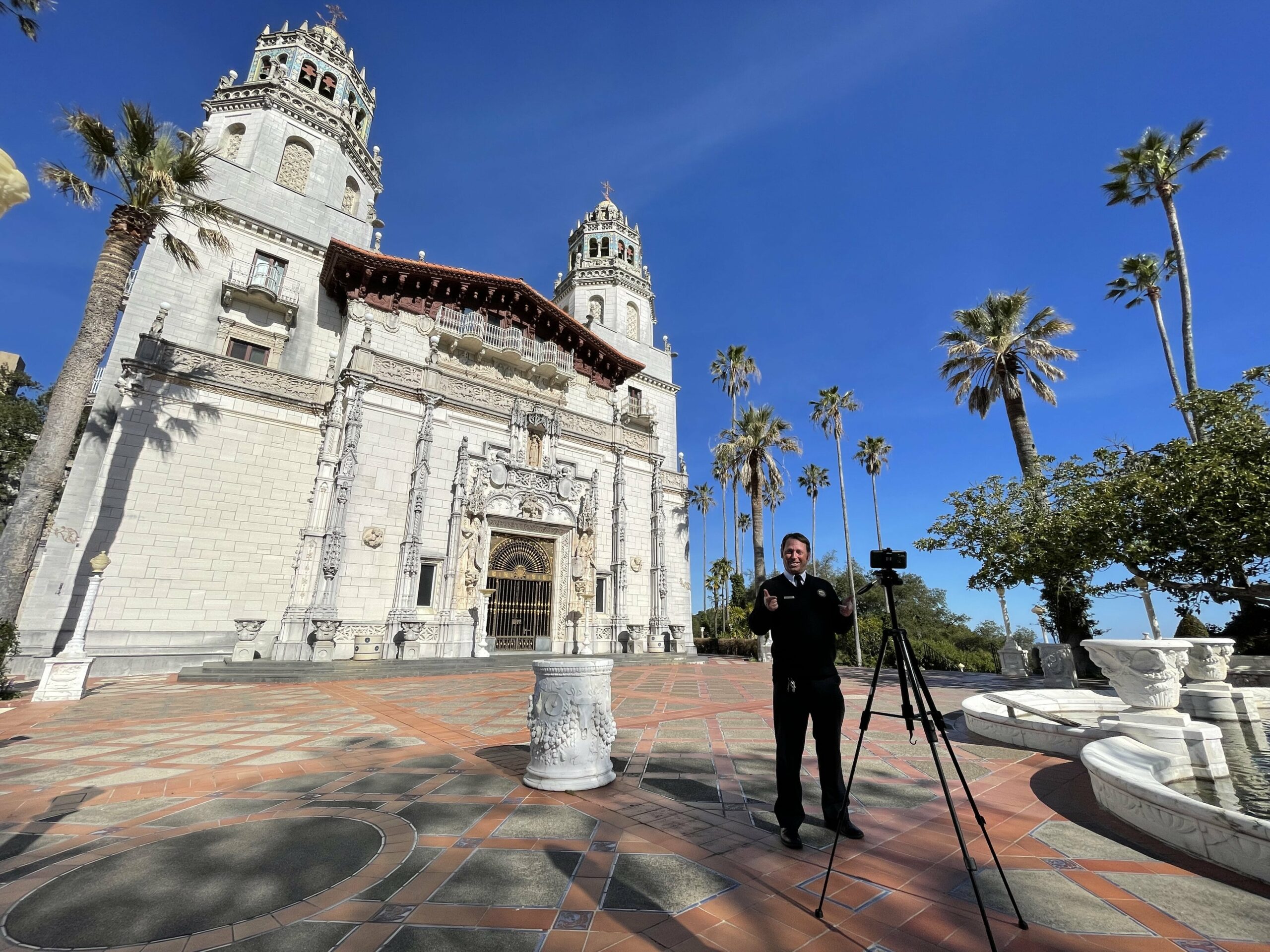
Explore Hearst Castle and learn why it was built on a hill overlooking the Pacific Ocean in San Simeon, Ca. Uncover the engineering challenges of this architectural treasure and explore the life of Julia Morgan, California’s first licensed woman architect. This all-ages, 45-60 min program will have students examine how Hearst Castle went from concept to construction over 28 years and is still not finished!
Westward Bound explores what it was like to travel on the Transcontinental Railroad and how it made the transportation of people and goods easier, safer, and cheaper than ever before. Westward travel on the Transcontinental Railroad represented a triumph against time for nineteenth-century travelers. First-class tourists expected a luxurious travel experience, while emigrants wanted safe passage to start their new lives in California.
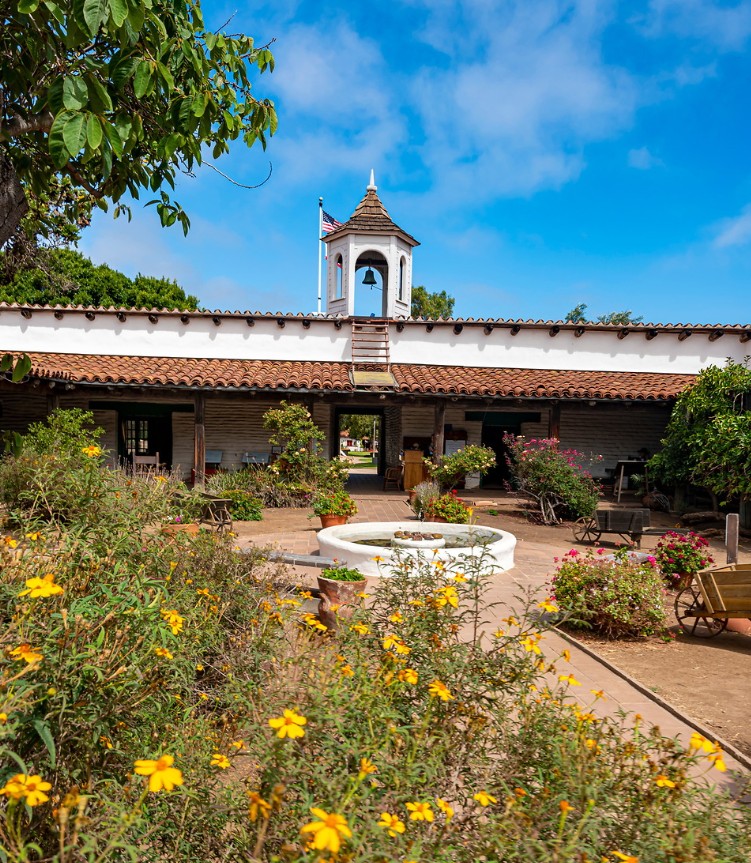
Join us for a live virtual tour of Old Town San Diego State Historic Park’s Casa de Estudillo, revisiting its use from 1910 into the 1960s as the tourist attraction Ramona’s Marriage Place. Focusing on the lives and roles of two women, “Ramona,” author Helen Hunt Jackson and architect Hazel Wood Waterman, this program will examine how the former family home was changed, erasing some histories and romanticizing others all while giving a physical presence to colonial fantasy.
The Transcontinental Railroad changed life in America forever! Explore how the Transcontinental Railroad transformed America through labor, innovation, and invention.
In this program, students will be introduced to the wonders of the giant sequoia, the biggest individual tree, and learn all about their survival secrets. We will walk around part of a giant sequoia grove at Calaveras Big Trees State Park and observe how the giant sequoia is a part of the mixed conifer forest.
Follow a tour guide through the historic immigration detention barracks at Angel Island State Park. Most have heard about Ellis Island, but many haven’t heard about the Chinese Exclusion Act that cast a shadow over immigration policy from 1910 to 1940. If you couldn’t secure a PORTS program for your class, this is the option for you! While the tour guide won’t be able to hear and interact with your students directly like they can in our usual PORTS, you will be able to submit your questions with a Q&A feature.
Westward Bound explores what it was like to travel on the Transcontinental Railroad and how it made the transportation of people and goods easier, safer, and cheaper than ever before. Westward travel on the Transcontinental Railroad represented a triumph against time for nineteenth-century travelers. First-class tourists expected a luxurious travel experience, while emigrants wanted safe passage to start their new lives in California.
Explore and learn about the ancestral and modern life of the Chumash culture and people. Chumash descendants will share their cultural heritage, from traditional art and music to culinary practices and much more. Attendees will have the opportunity to engage with the speakers by asking questions and gain a deeper appreciation for the resilience and contributions of the Chumash people both past and present. Join us for this enriching experience to celebrate and learn about the vibrant Chumash culture.
The Transcontinental Railroad changed life in America forever! Explore how the Transcontinental Railroad transformed America through labor, innovation, and invention.
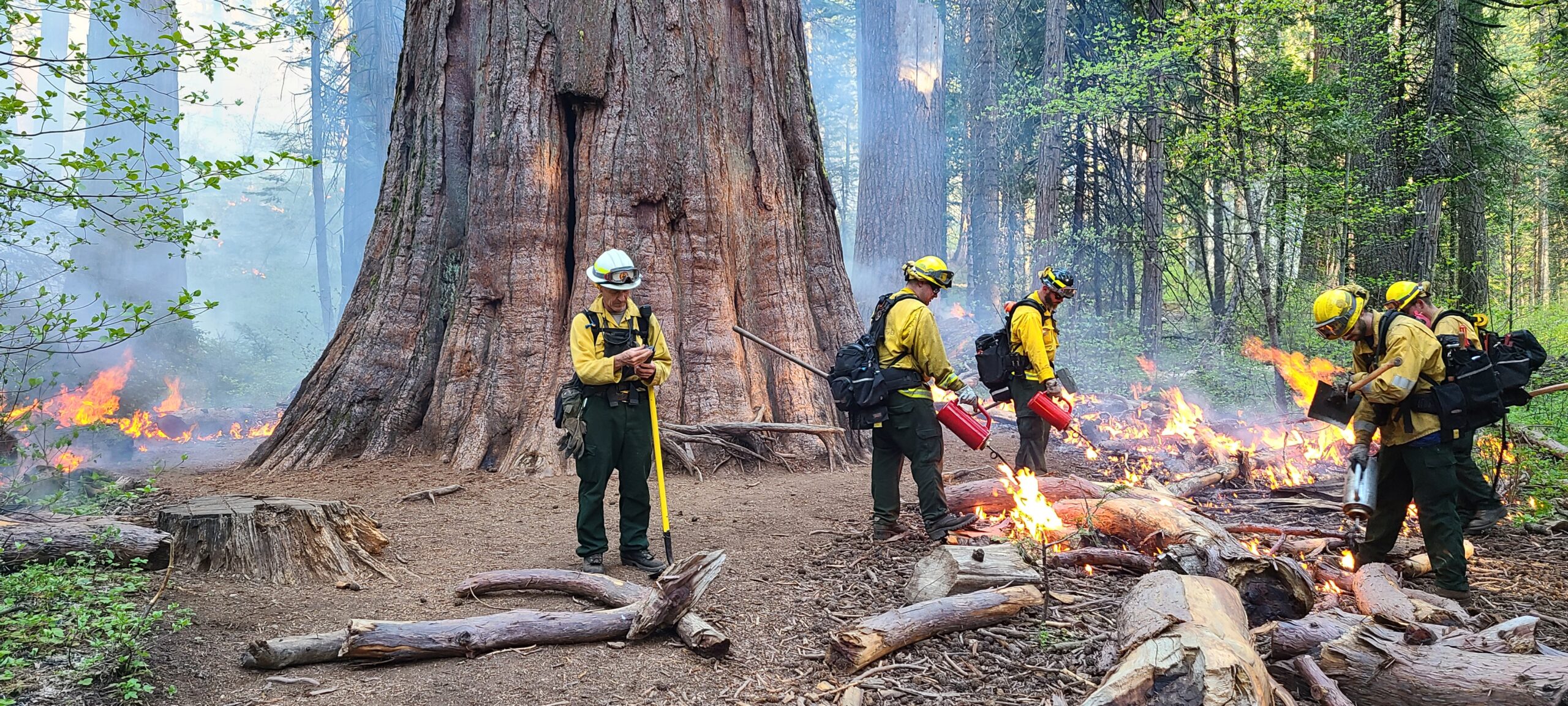
Fire has a complicated relationship with most ecosystems, and the giant sequoias at Calaveras Big Trees State Park are no different. Students will be introduced to what fire is, how we have influenced it, and how important it is for the giant sequoia. This program is geared toward older students.
Westward Bound explores what it was like to travel on the Transcontinental Railroad and how it made the transportation of people and goods easier, safer, and cheaper than ever before. Westward travel on the Transcontinental Railroad represented a triumph against time for nineteenth-century travelers. First-class tourists expected a luxurious travel experience, while emigrants wanted safe passage to start their new lives in California.
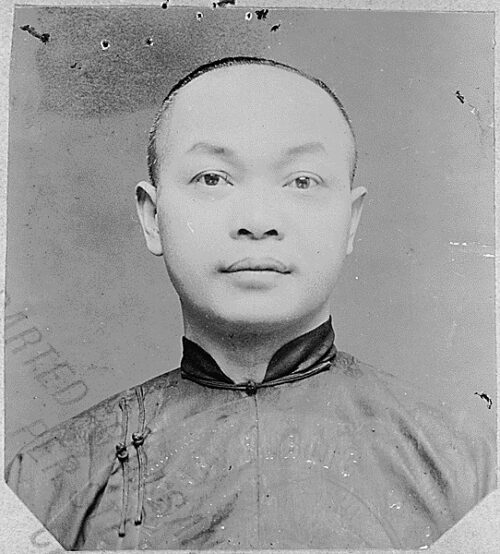
Honor the history and diversity of the Asian American Pacific Islander immigrants that passed through the Angel Island Immigration Station from 1910-1940. Join Angel Island State Park and the Angel Island Immigration Station Foundation at the historic detention barracks as we delve into their stories. Also, you’ll be able to hear directly from a descendant of an Angel Island immigrant.
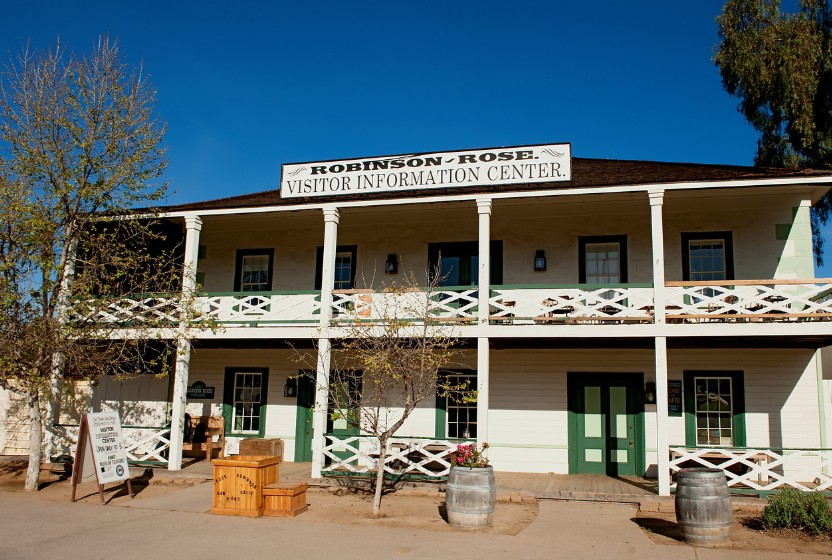
Follow along with the story of Louis Rose from Germany to New Orleans to Texas, and then to California and Old Town San Diego where, as the first recorded Jewish immigrant, he would become a prominent businessman, civil servant, and member of the community. Students will learn about the gold rush and immigration to California, the expansion of the United States, San Diego in the early American period and the growth of its Jewish community. Participants will discuss what forms a community as well as how communities play a role in our own growth and change.
The Transcontinental Railroad changed life in America forever! Explore how the Transcontinental Railroad transformed America through labor, innovation, and invention.
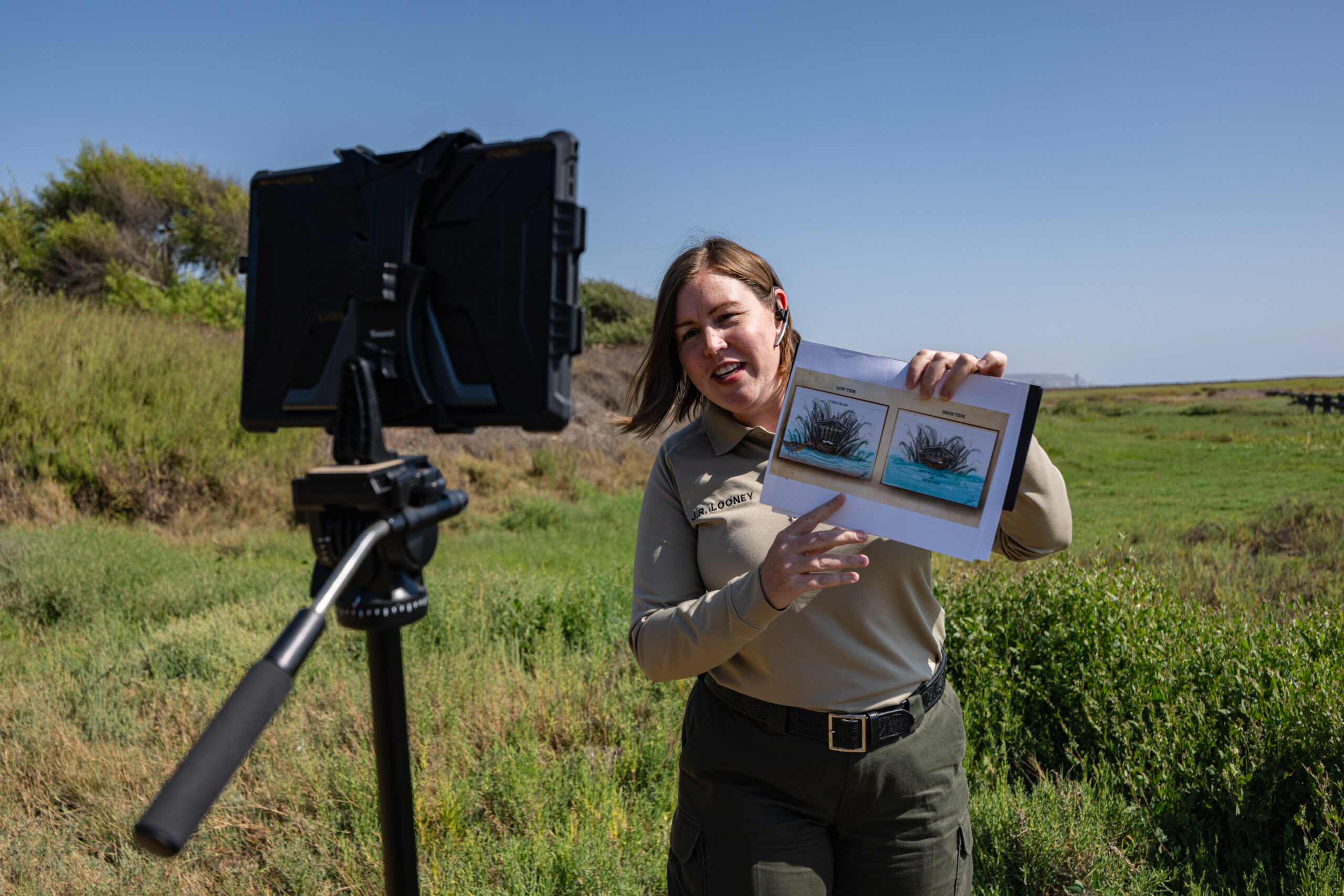
Salt Marsh Secrets
In this program, students will discover salt marsh plant and animal species using observational skills, movement, and nature journaling techniques. We’ll focus on the plants’ adaptations to salty ocean water in the largest coastal wetland in southern California. Join us virtually at the Tijuana River National Estuarine Research Reserve.
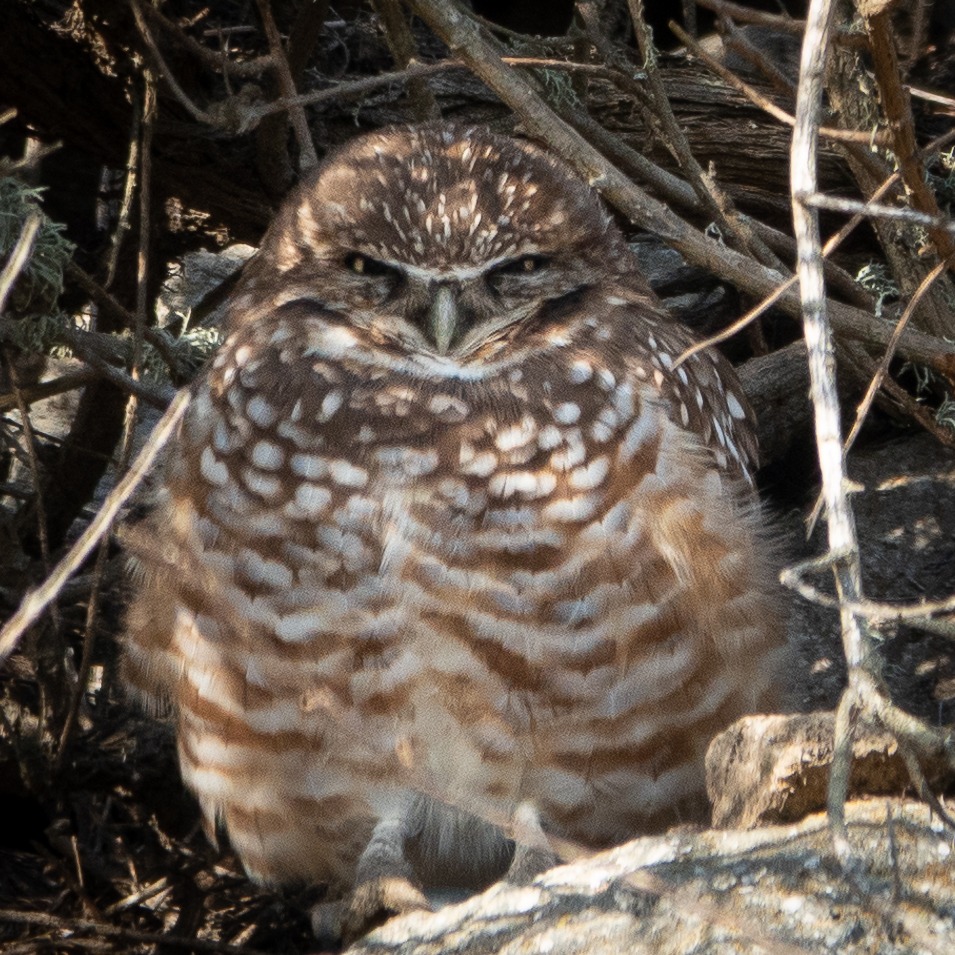
Halloween Special: Owls are a Hoot!
Join us for a spook-tacular virtual field trip exploring the fascinating world of owls at Hearst San Simeon State Park! We’ll uncover the adaptations that make these mysterious birds such incredible nocturnal hunters—it’s sure to be a real owl-oween treat. Please bring a piece of paper and a writing utensil so that you can make your very own Franken-Owl.
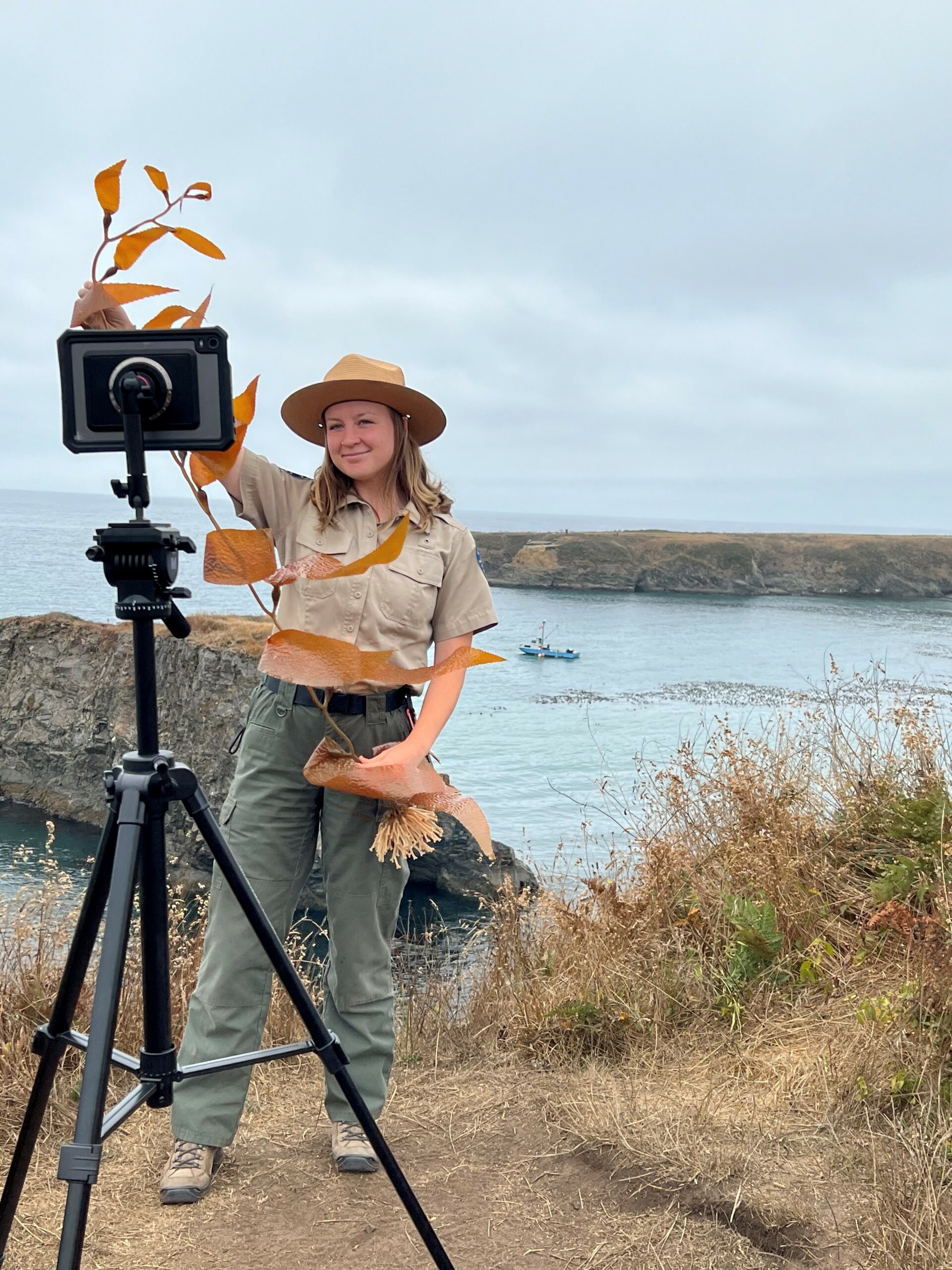
Help the Kelp!
Dive into kelp forest ecology and conservation at Mendocino Headlands State Park! With the loss of two keystone species – sea otters and sunflower sea stars – plus the impacts of climate change, our kelp forests have declined rapidly over the last 10 years. But we can help!
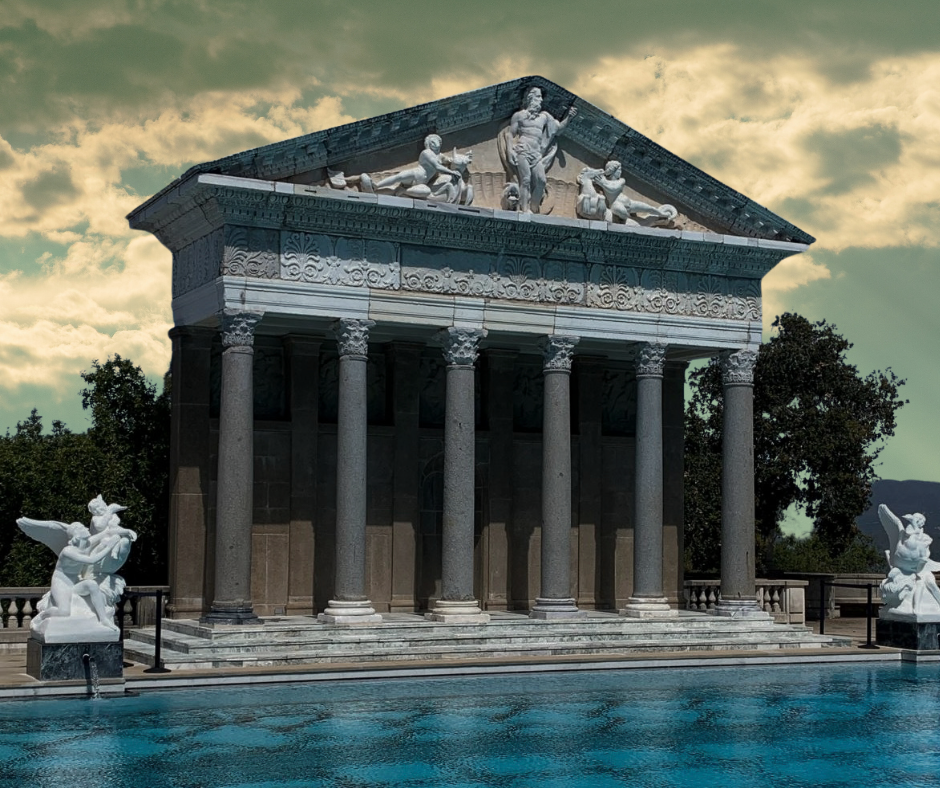
Connecting with Ancient Civilizations at Hearst Castle
During this 45-60 min program, your students will explore the mythology, the art, and the architecture of ancient civilizations. Statues such as the Egyptian goddess Sekhmet will transport students 3000 years back in history. The Neptune Pool will provide proof that the Greeks and Romans still influence our world today. Hearst Castle preserves a collection of art and artifacts that symbolizes the traditions and beliefs of these cultures. This program supports 6th-grade curriculum standards.
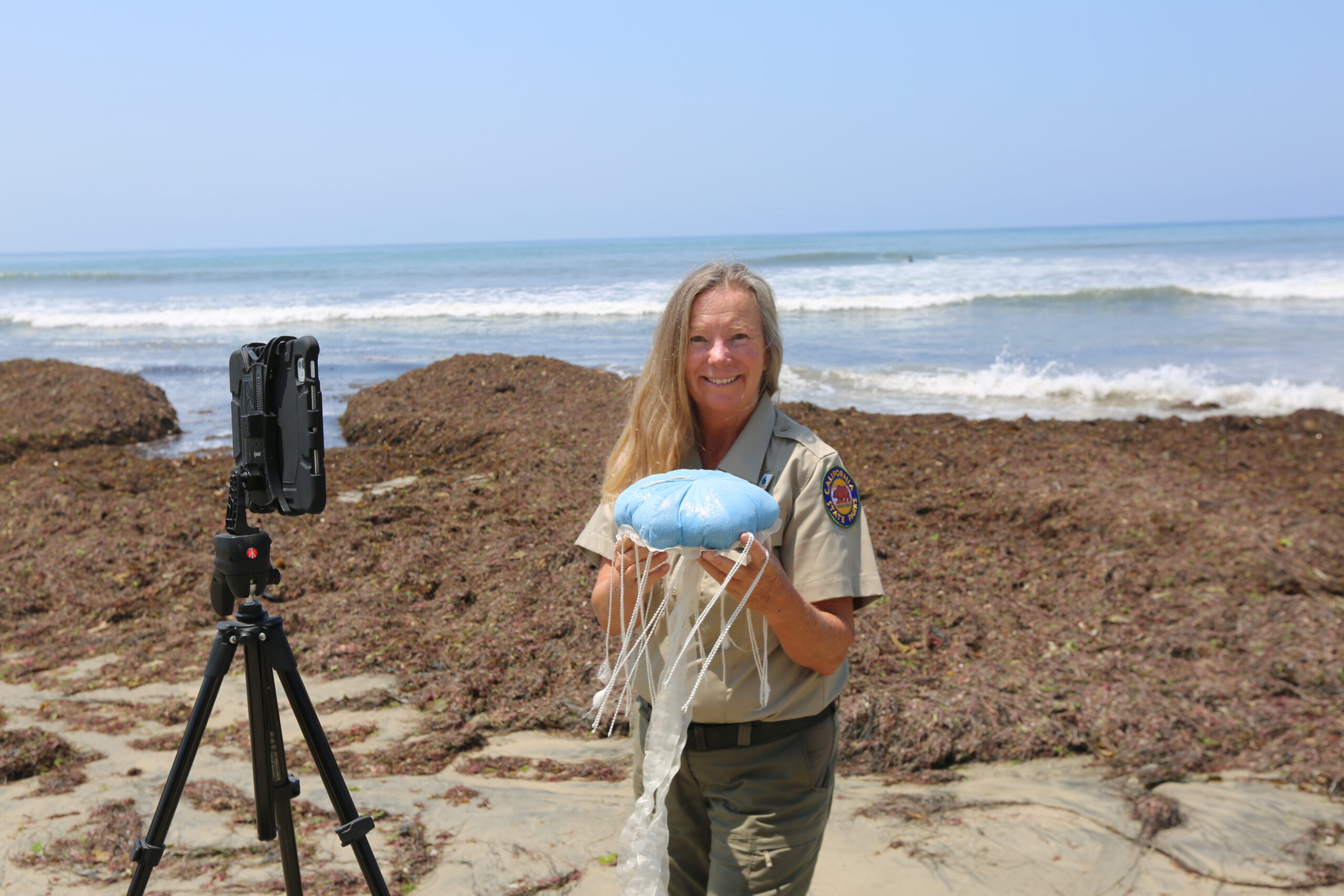
Halloween Special: Jellies – Creatures of the Deep
Jellies (aka jellyfish) have amazing adaptations that allow them to thrive throughout our world’s ocean. From surface waters to the deepest depths, from the warm tropics to the chilly poles, join us at San Elijo State Beach to unravel the mysteries as to how these creatures have survived for millions of years. Also, learn about what the future holds for them and other species that are being affected by Climate Change.
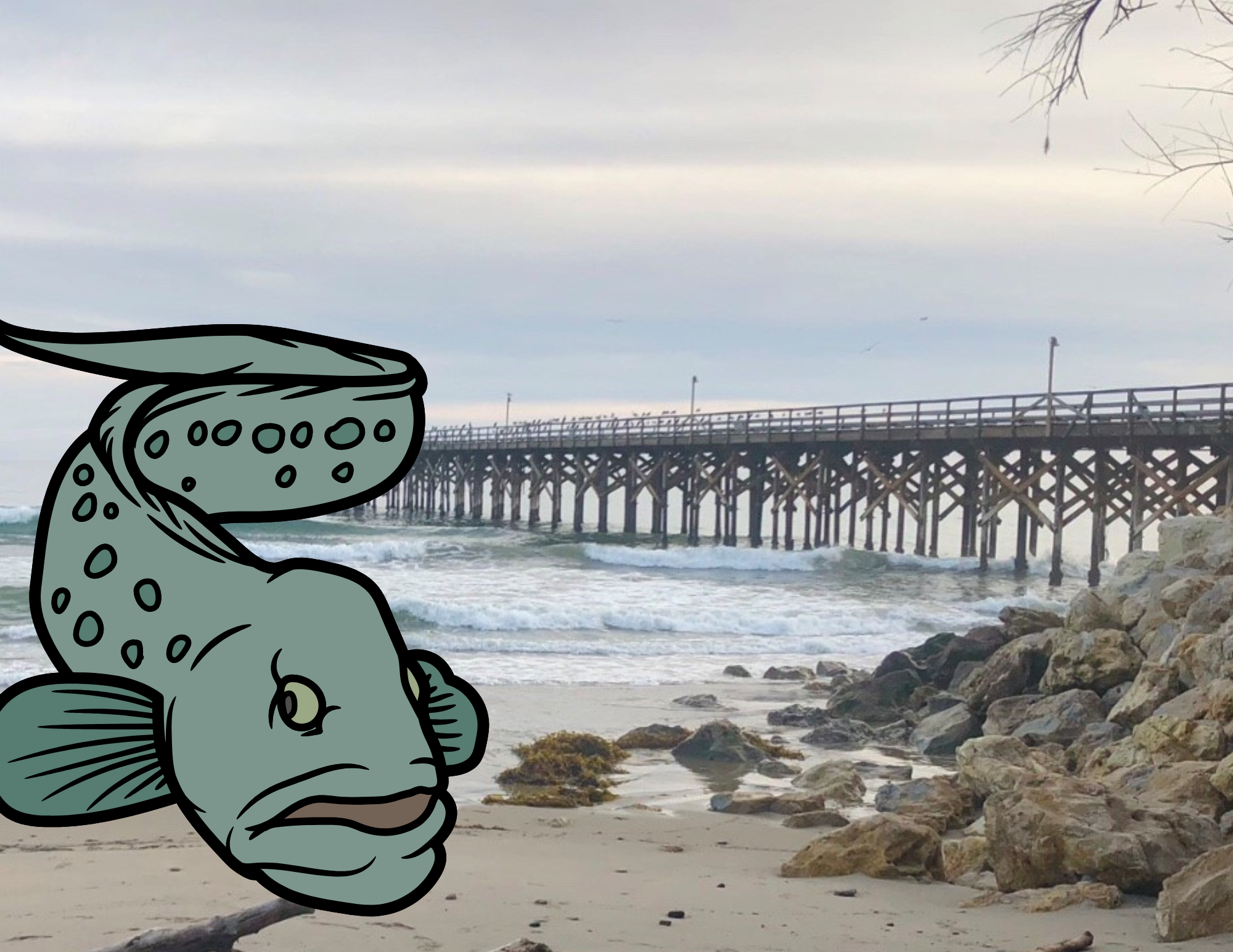
Halloween Special: Spooktacular Draw-Along
Join us at Gaviota State Park for a spooktacular draw-along featuring one of the ocean’s most mysterious creatures: the wolf eel! Together, we’ll discover fascinating facts about this unique marine species, explore its anatomy and habitat, and learn what makes the wolf eel such an incredible resident of the rocky reefs along the California coast.
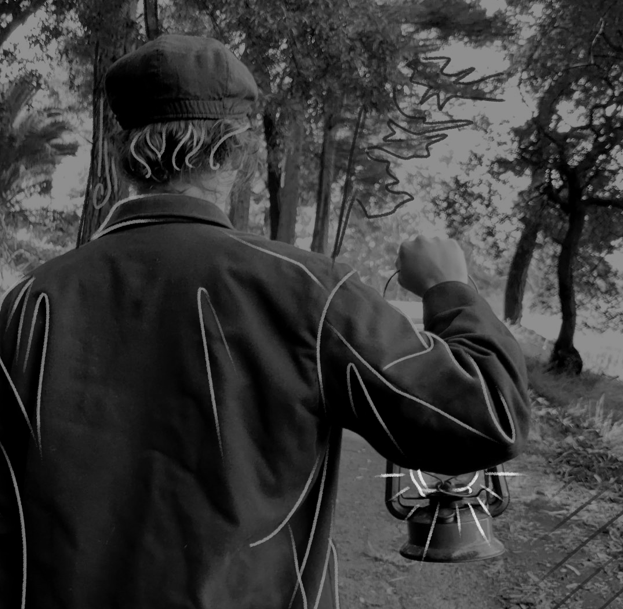
Halloween Special: “Ka-plunk Ka-plunk” – A Spooky Historic Tale
Hop over to Angel Island State Park for a spooky retelling of a true story that happened at the Quarantine Station in 1907. Help us solve the mysterious tale of the “devil of Angel Island” as we investigate newspaper clippings and historic photos through a dramatic reenactment. Prepare your students with a piece of paper and art supplies as they jot down clues during their investigation.
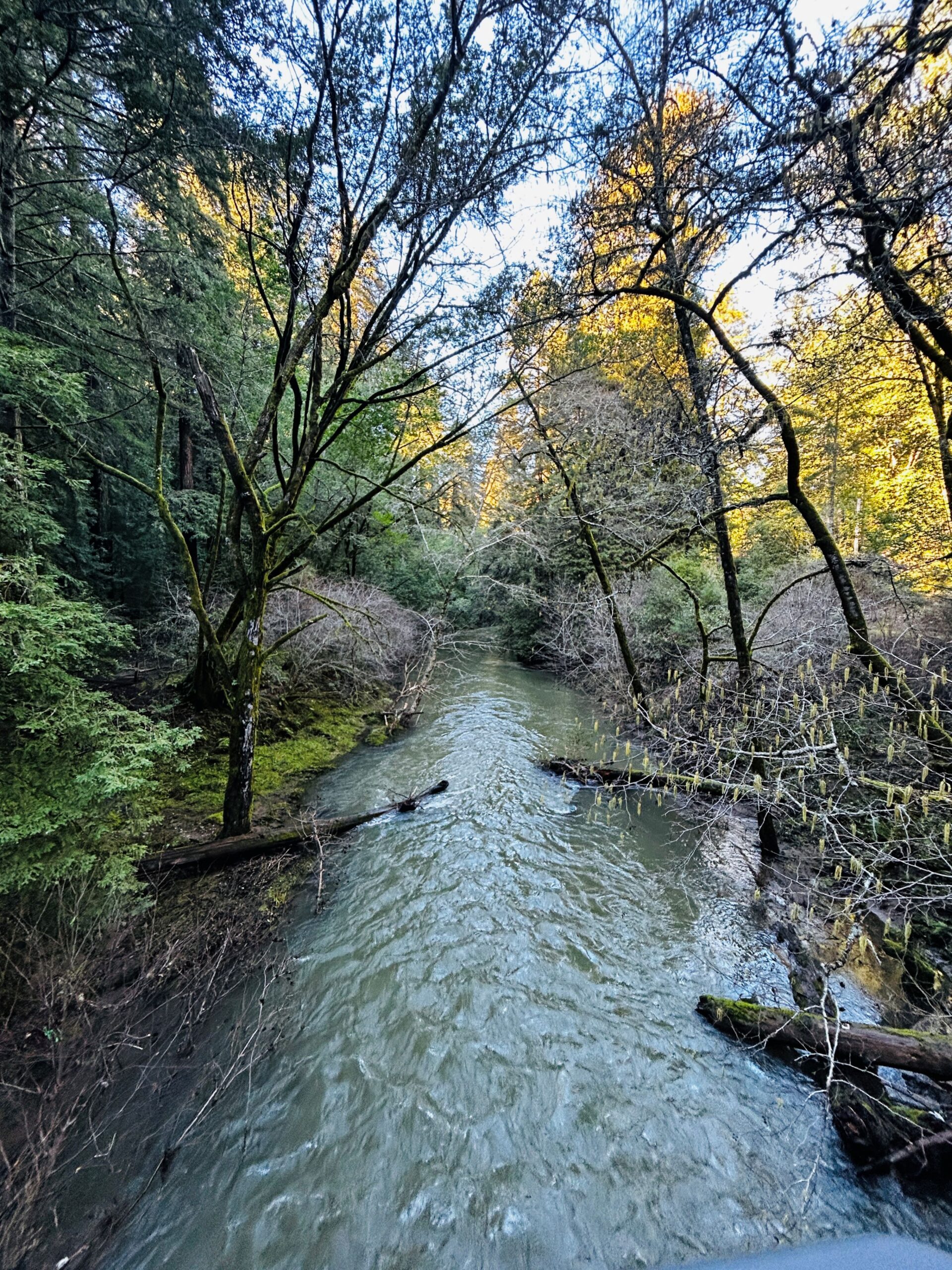
Halloween Special: Trick, or Treat? Un-spookying Commonly Feared Animals
Challenge your ideas about some commonly feared animals in this not-so-spooky PORTScast at Samuel P. Taylor State Park! We will use clues to solve riddles about our animals in question, and uncover some unique adaptations that help the environment thrive! In the spirit of Halloween, join us to discover why the spooky can be spectacular.
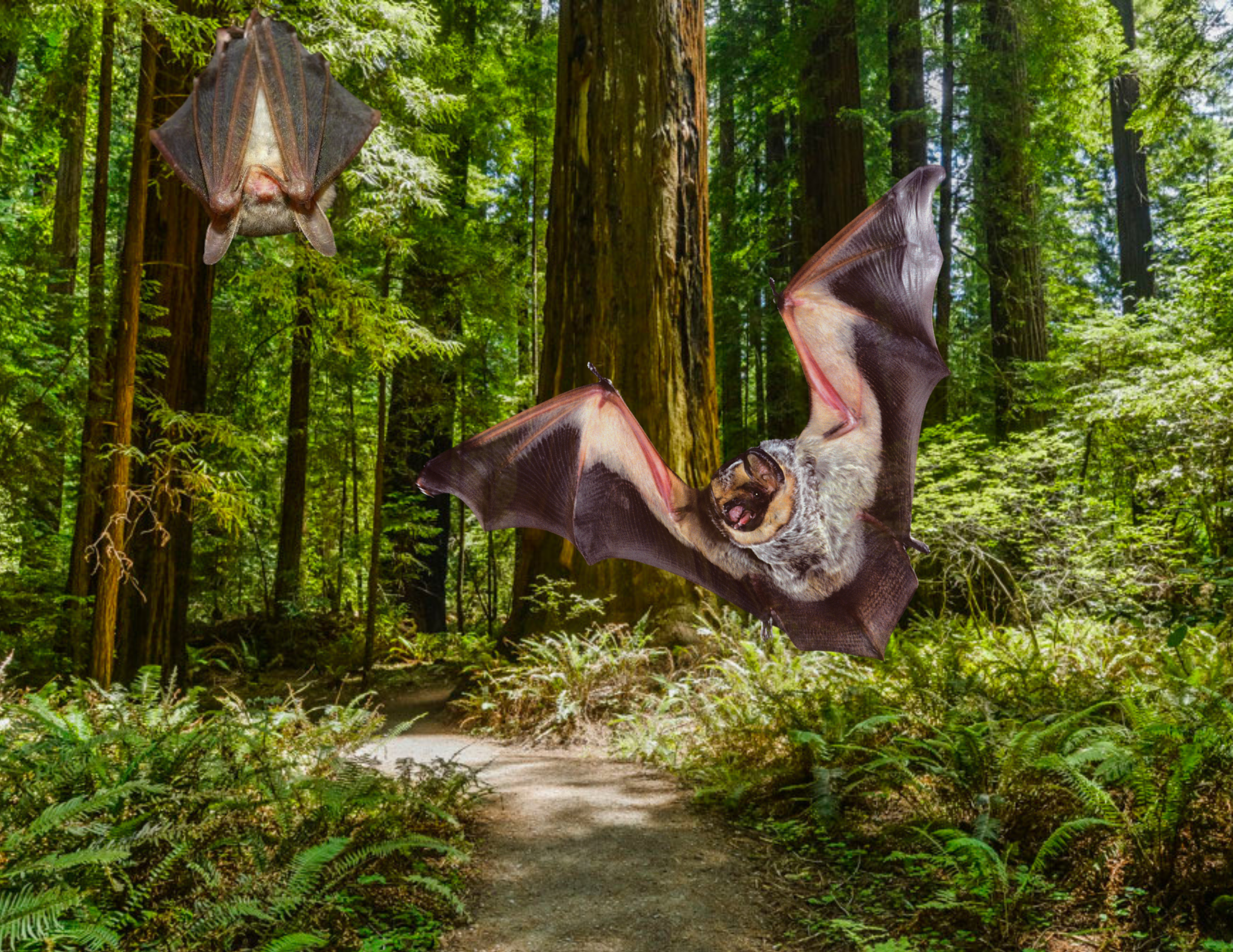
Let’s Hang! A Halloween Bat Special
Discover the fascinating world of bats with Park Interpreter Erika at Humboldt Redwoods State Park. Learn what makes these nocturnal creatures unique, from their amazing adaptations to their important role in nature. Explore their ties to Halloween and how we are helping conserve and research them right here in the park.
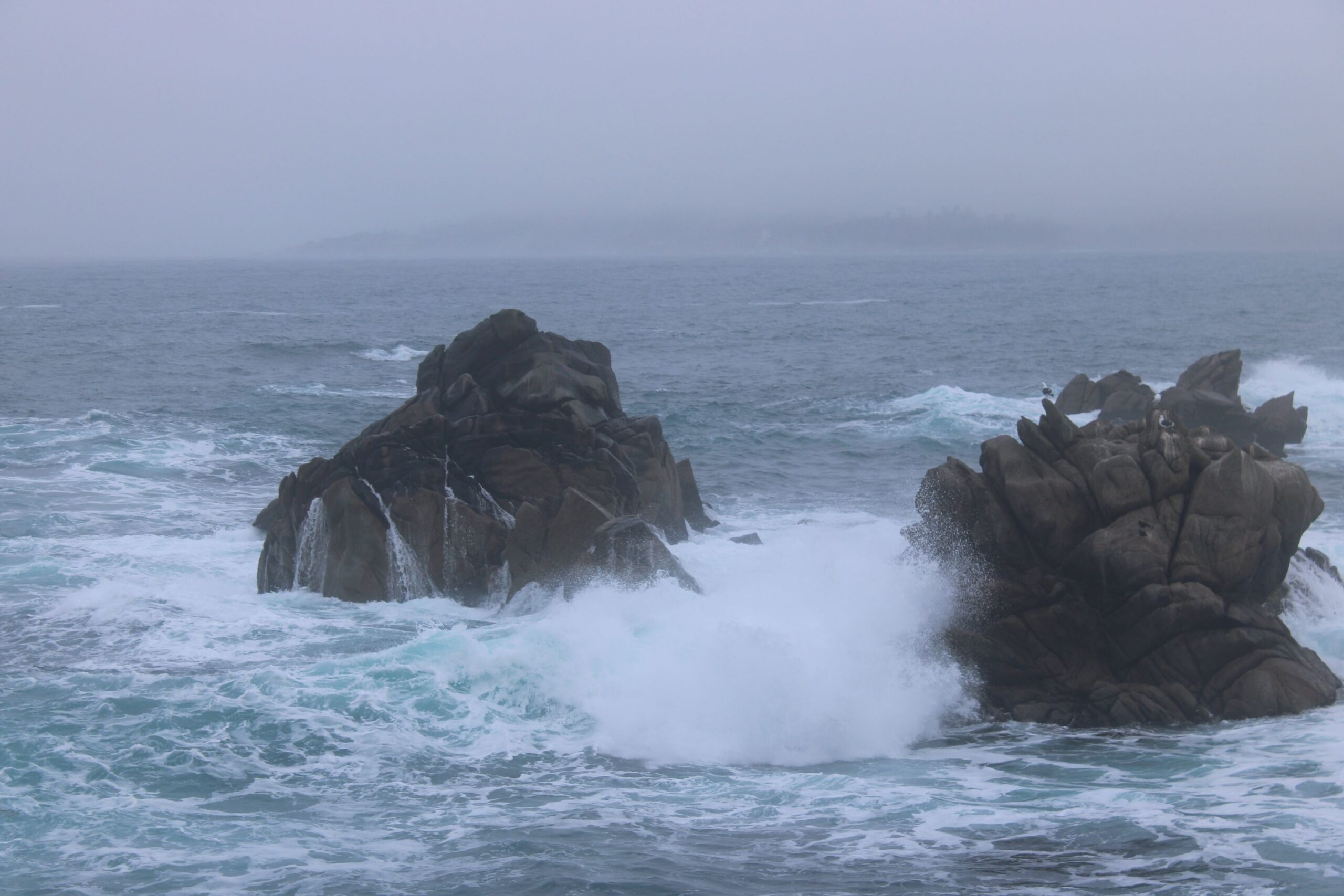
Halloween Special: Tales of Spooky Seas
In the spirit of Halloween, dive into the spooky world of the deep sea and meet some of the ocean’s strangest animals! Discover how creatures survive in a dark, cold, high-pressure world using fascinating adaptations like bioluminescence, giant eyes, and unusual body shapes.
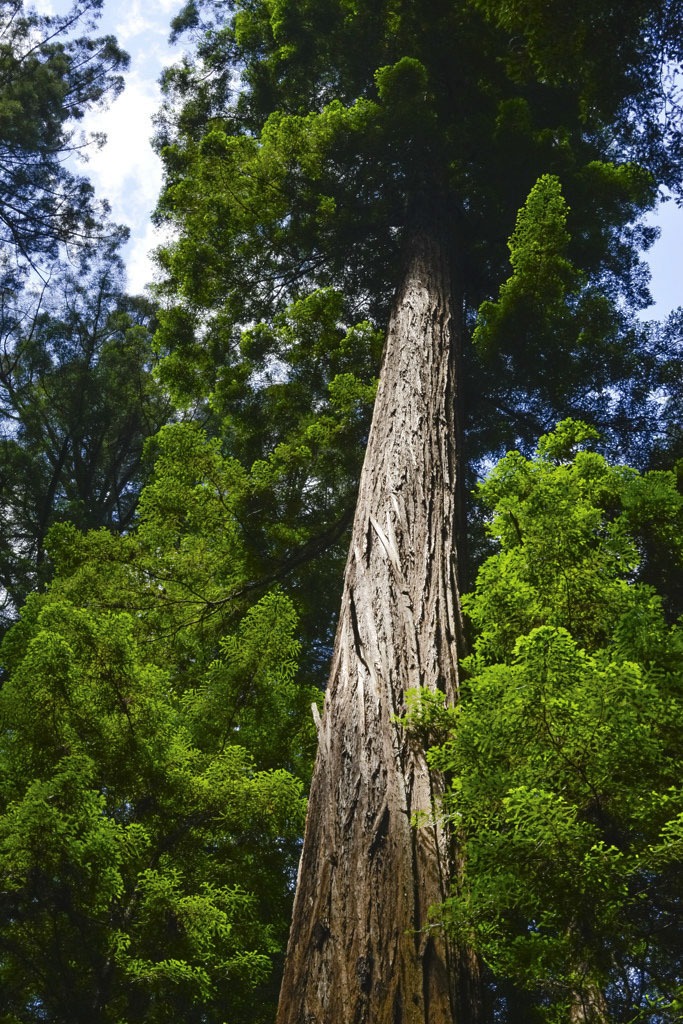
Rising Redwoods: Uncovering The Secret Behind The World’s Tallest Trees
Explore the towering coast redwoods in this virtual program and uncover the secret to their incredible height – water! Learn how this forest giants rely on fog, rain, and unique adaptations to thrive in their coastal and changing environment. Redwoods are more than just trees—they are living testaments to the power of adaptation and the magic of nature! This program is designed for 3rd grade and above but may also be suitable for younger audiences at the teacher’s discretion.
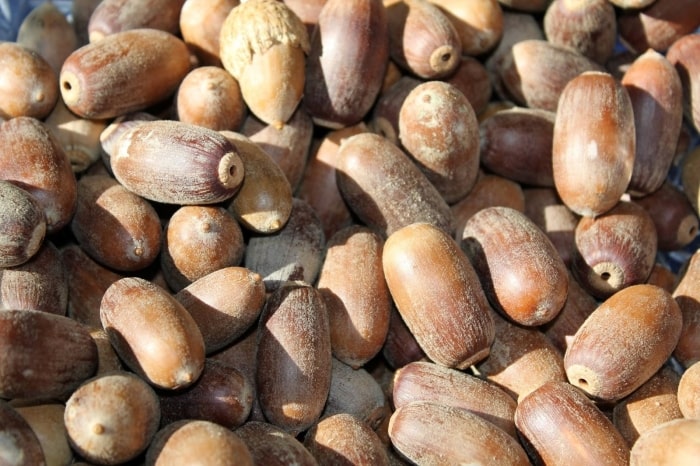
All About Acorns: A California Staple
Join us as we explore California Indigenous culture and the state’s most abundant natural food source. We will examine how acorns sustained communities for thousands of years through traditional gathering and processing methods. Along the way, we will explore acorn preparation, California Native history, and the plants and animals that are connected to this important food source.
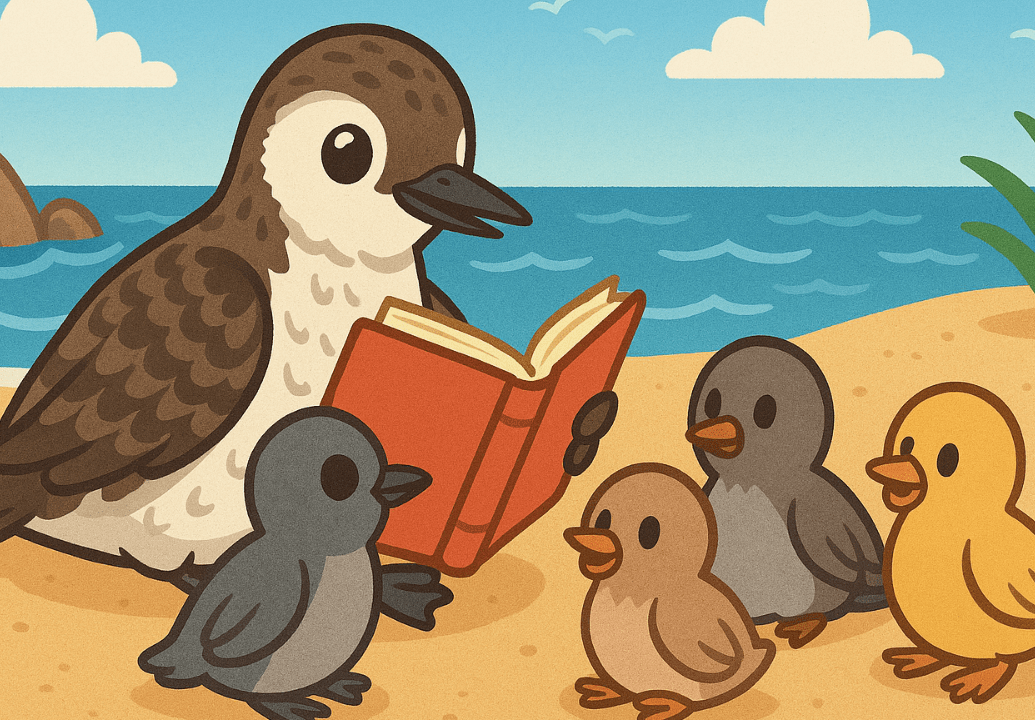
Seabird Storytime
Join a State Park Interpreter from Jedediah Smith Redwoods State Park to hear about the incredible story of the Marbled Murrelet. This seabird spends the far majority of its life floating along the coastline, but for a brief moment of their life, they can be seen dashing through the tops of redwoods. Join to learn more about this bird. Ultimately, this program will expand your knowledge of the Marbled Murrelet and what you can do to help them succeed!
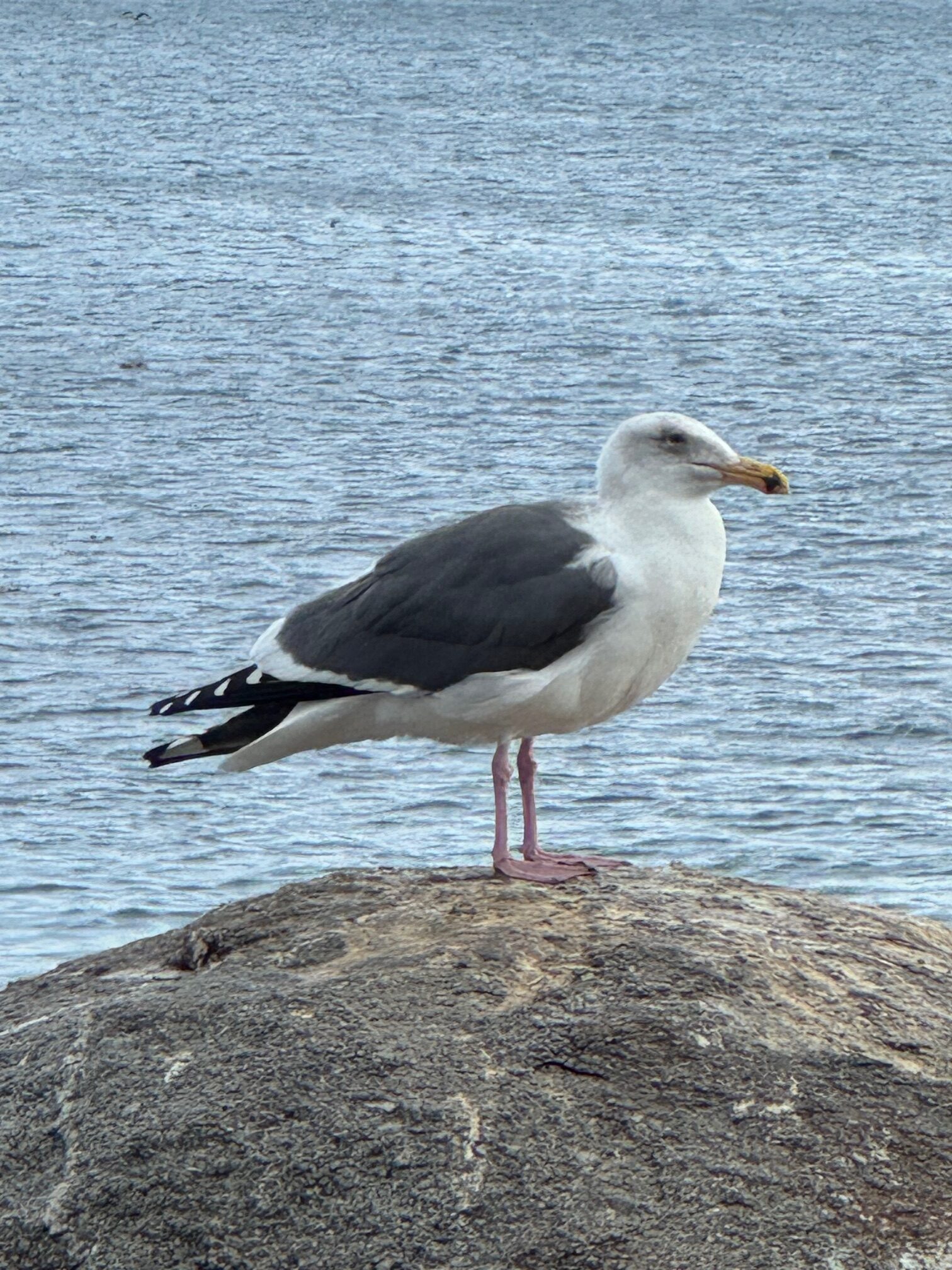
Gulls Just Wanna Have Fun
Gulls just wanna have fun – and we’re ready to SEA-gulls through a whole new light! Join us to discover the fascinating world of gulls, uncover their unique adaptations and behaviors, and see these familiar coastal birds in a whole new way.
Salt Marsh Secrets
In this program, students will discover salt marsh plant and animal species using observational skills, movement, and nature journaling techniques. We’ll focus on the plants’ adaptations to salty ocean water in the largest coastal wetland in southern California. Join us virtually at the Tijuana River National Estuarine Research Reserve.
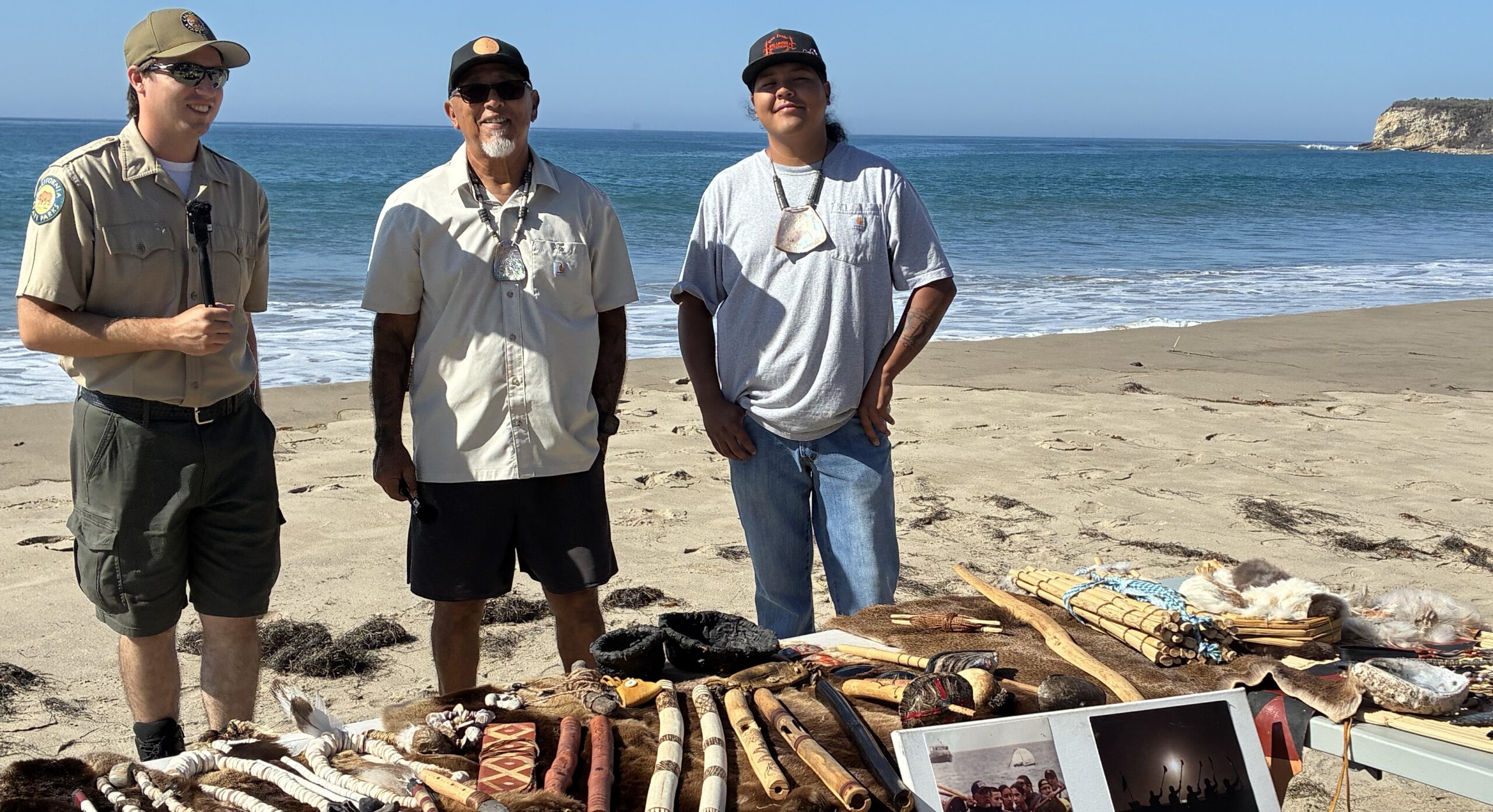
Native American Heritage Month: Chumash Culture Underwater at Refugio State Beach
Join us to learn about the ancestral and modern life of the Chumash culture and people at Refugio State Beach. Chumash descendants Tom and Levi will share their cultural heritage and we will have the opportunity to explore ocean resources from below the surface with our divers!
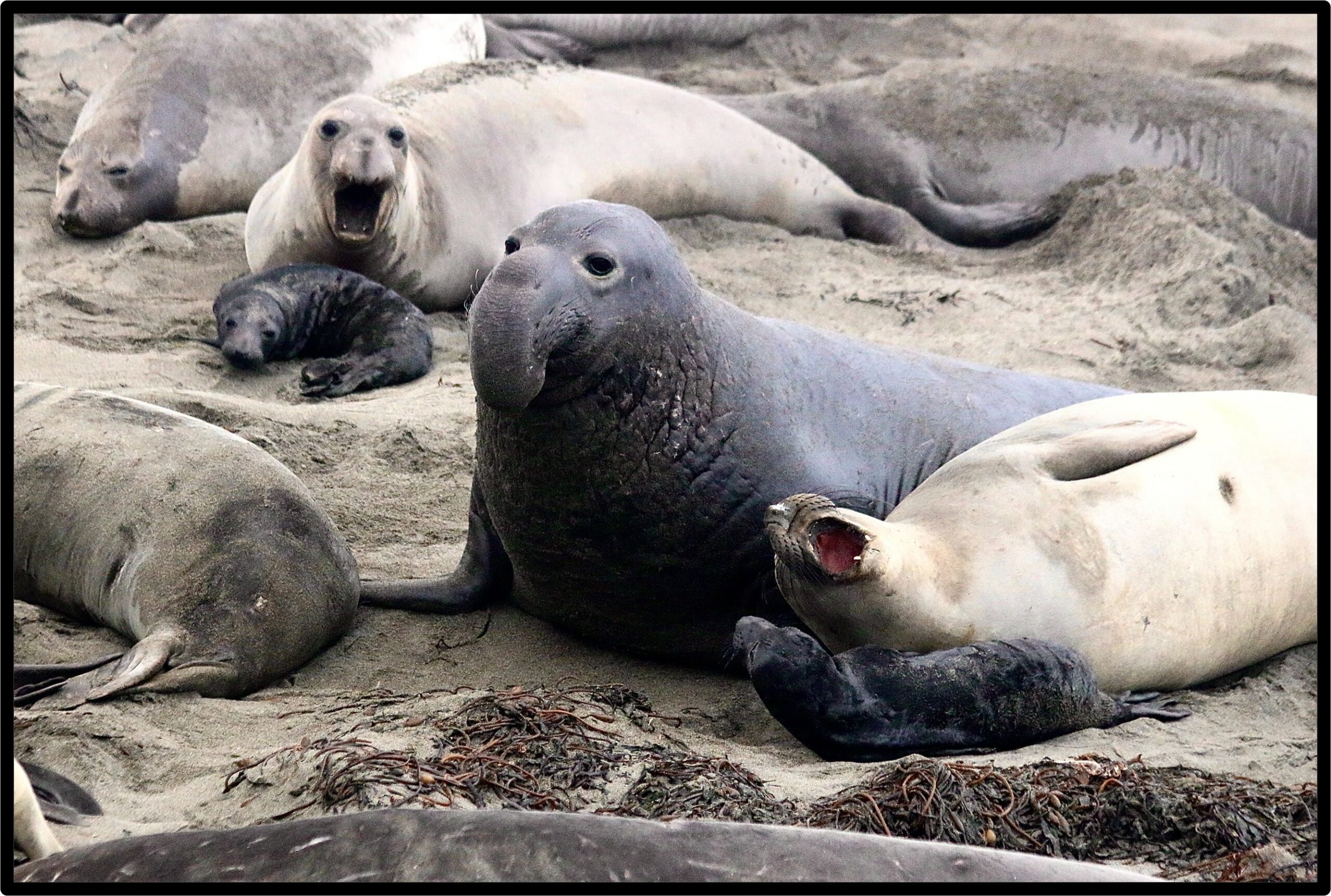
Elephant Seals of Hearst San Simeon State Park
Dive deep into the fascinating lives of Northern Elephant Seals from Hearst San Simeon State Park! Watch these animals live from the largest mainland elephant seal rookery in the world while learning about the astounding adaptations that allow them to dive deep, migrate thousands of miles per year, go months without eating, and so much more.
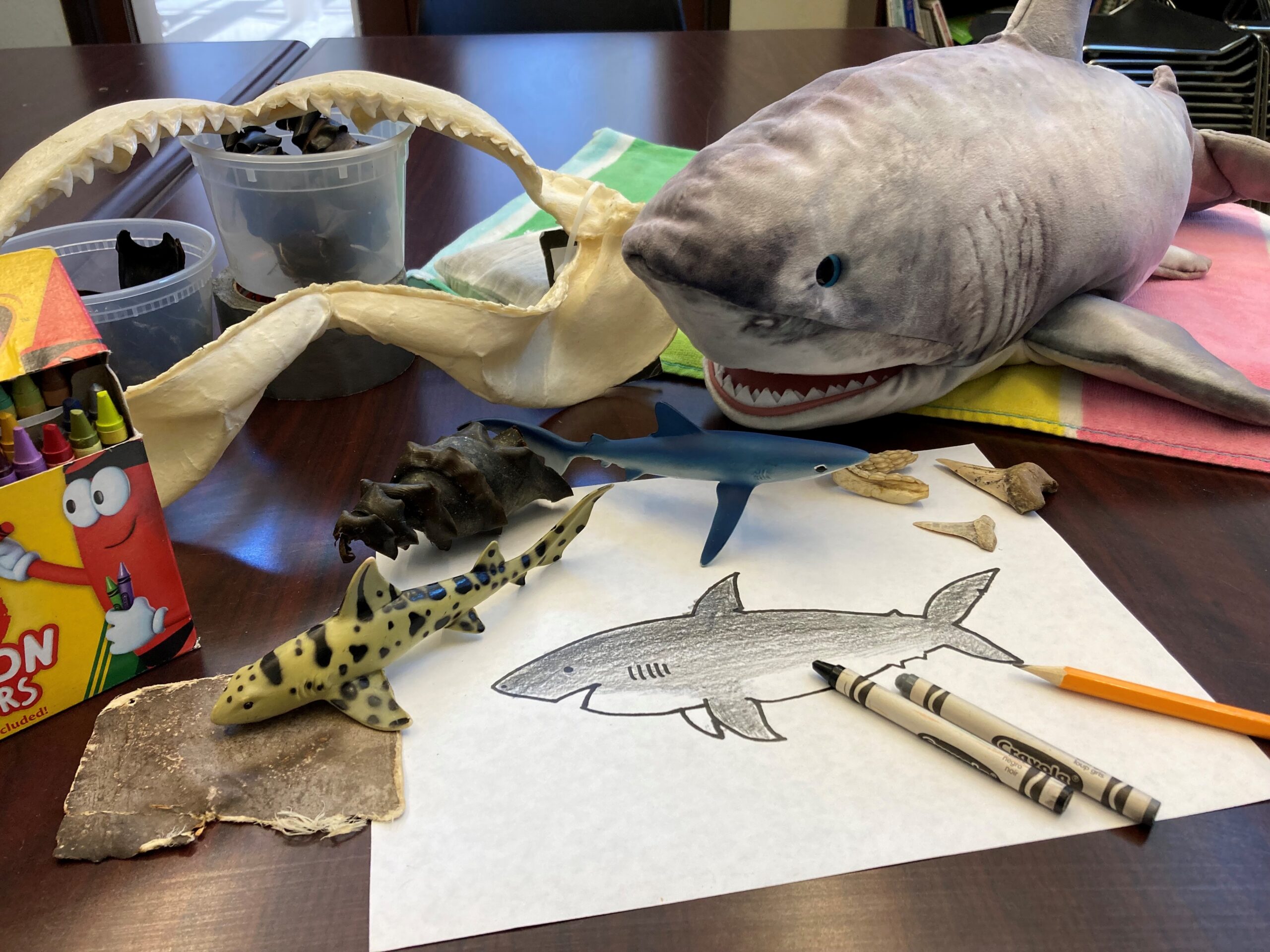
Jaw-some Great White Sharks: Hot-spots and Adaptations
We welcome you for a fin-tastic virtual adventure at Torrey Pines State Natural Reserve! Together, we’ll dive into the fascinating world of white sharks and discover why young white sharks are often spotted and sometimes aggregate in the waters off of Torrey Pines State Beach and other Southern California beaches. Get your paper and pencils ready! We will draw a white shark together while learning about the unique adaptations that make these incredible animals who they are. Along the way, students will uncover fun shark facts, explore what makes white sharks such fascinating creatures, and discover why they play such an important role in the marine ecosystem.
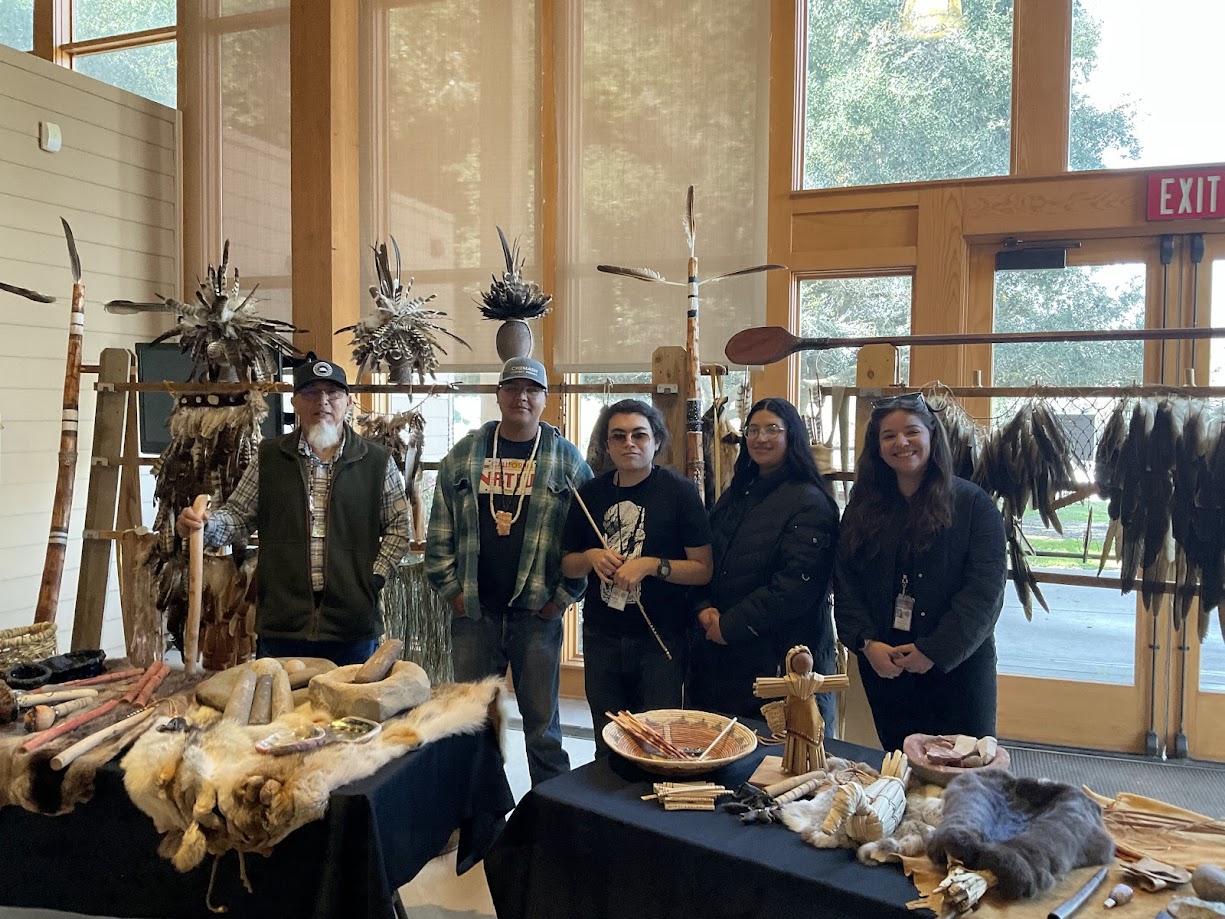
Chumash Life: Past, Present and Future
Explore and learn about the ancestral and modern life of the Chumash culture and people. Chumash descendants will share their cultural heritage, from traditional art and music to culinary practices and much more. Attendees will have the opportunity to engage with the speakers by asking questions and gain a deeper appreciation for the resilience and contributions of the Chumash people both past and present. Join us for this enriching experience to celebrate and learn about the vibrant Chumash culture.
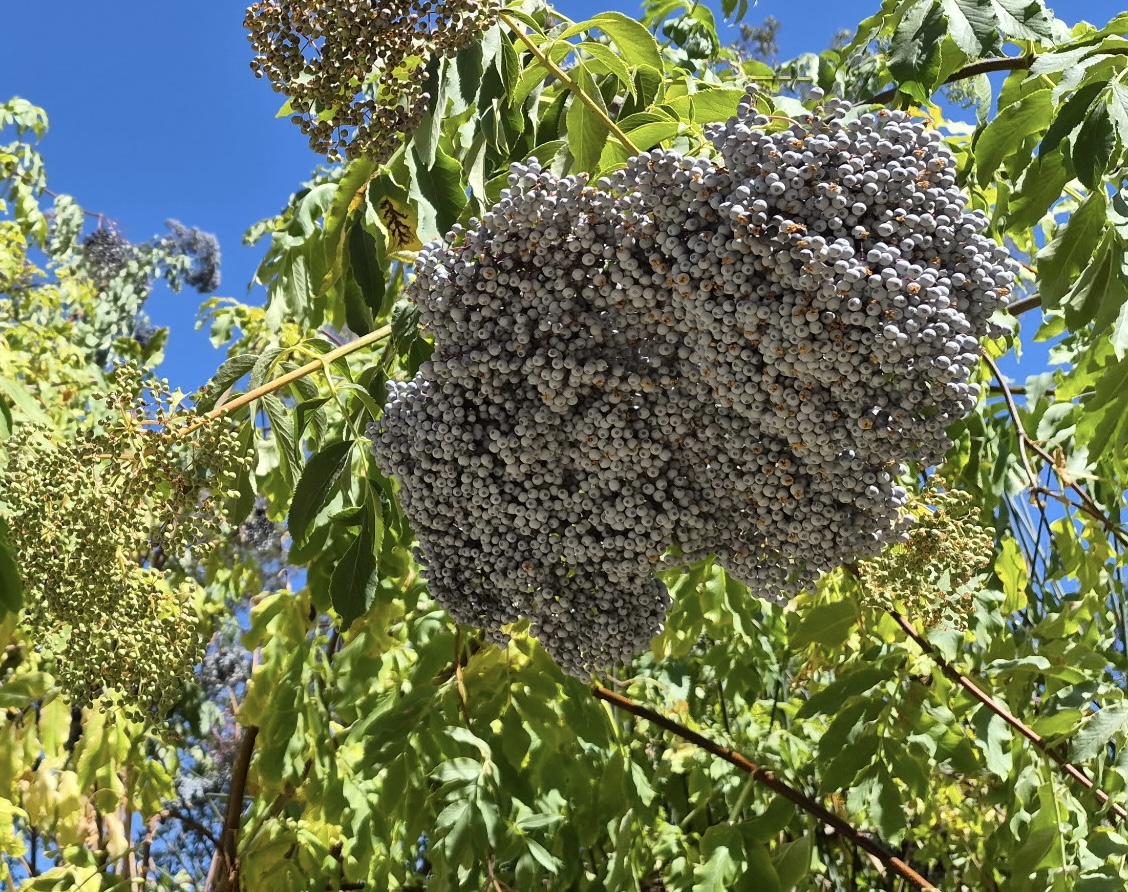
Roots of California: Native Plants, Native Peoples, Enduring Connections
For thousands of years, California’s Indigenous peoples have lived in harmony with the state’s native plants, developing deep knowledge and lasting relationships with the land. Join us as we explore this rich history and discover the cultural significance of California’s native plants. Join us from the State Indian Museum and learn how these plants provided a source of food, medicine, materials, and spiritual meaning, and continue to inspire today.
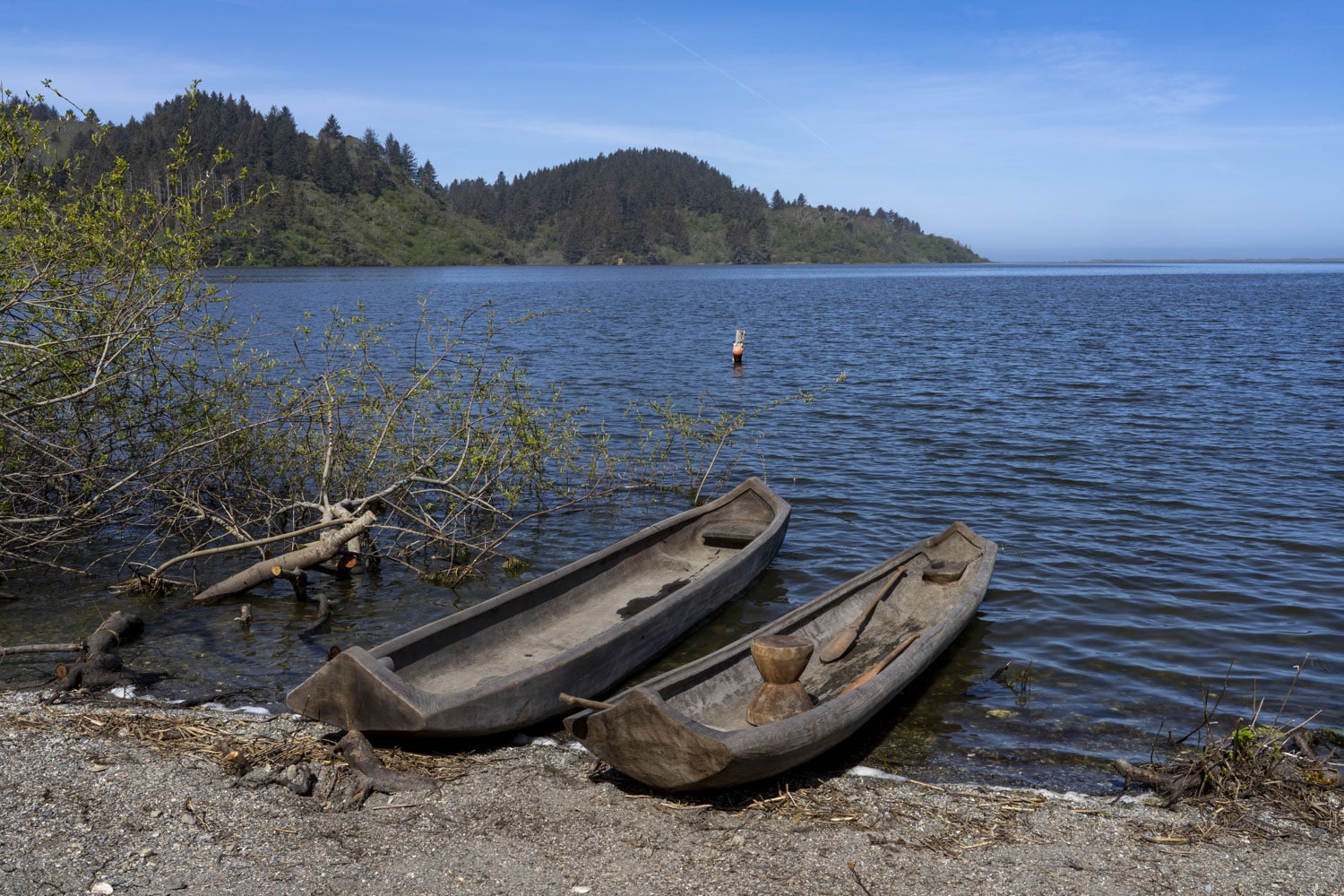
Native American Heritage Month: Stewards of the Lagoon
“Stewards of the Lagoon” is a water-based education program that will be hosted from inside a traditional Yurok dugout canoe! This program covers Yurok culture, while exploring the unique ecosystems and cultural history of Humboldt Lagoons State Park. Celebrate Native American Heritage Month with the North Coast Redwoods District by signing up for this special PORTScast program.
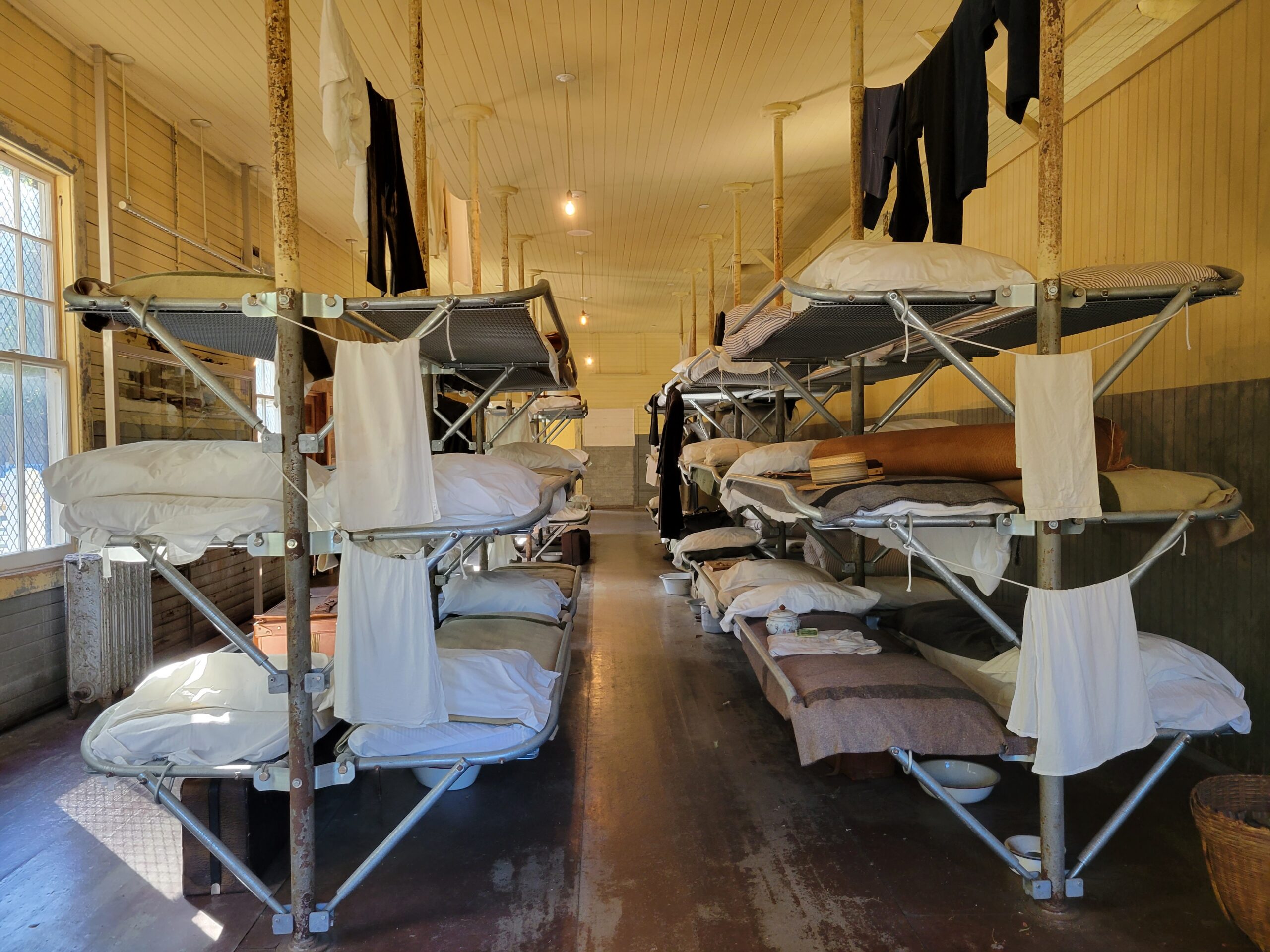
Immigration Stories told from Angel Island -Open for everyone!
Follow a tour guide through the historic immigration detention barracks at Angel Island State Park. Most have heard about Ellis Island, but many haven’t heard about the Chinese Exclusion Act that cast a shadow over immigration policy from 1910 to 1940.
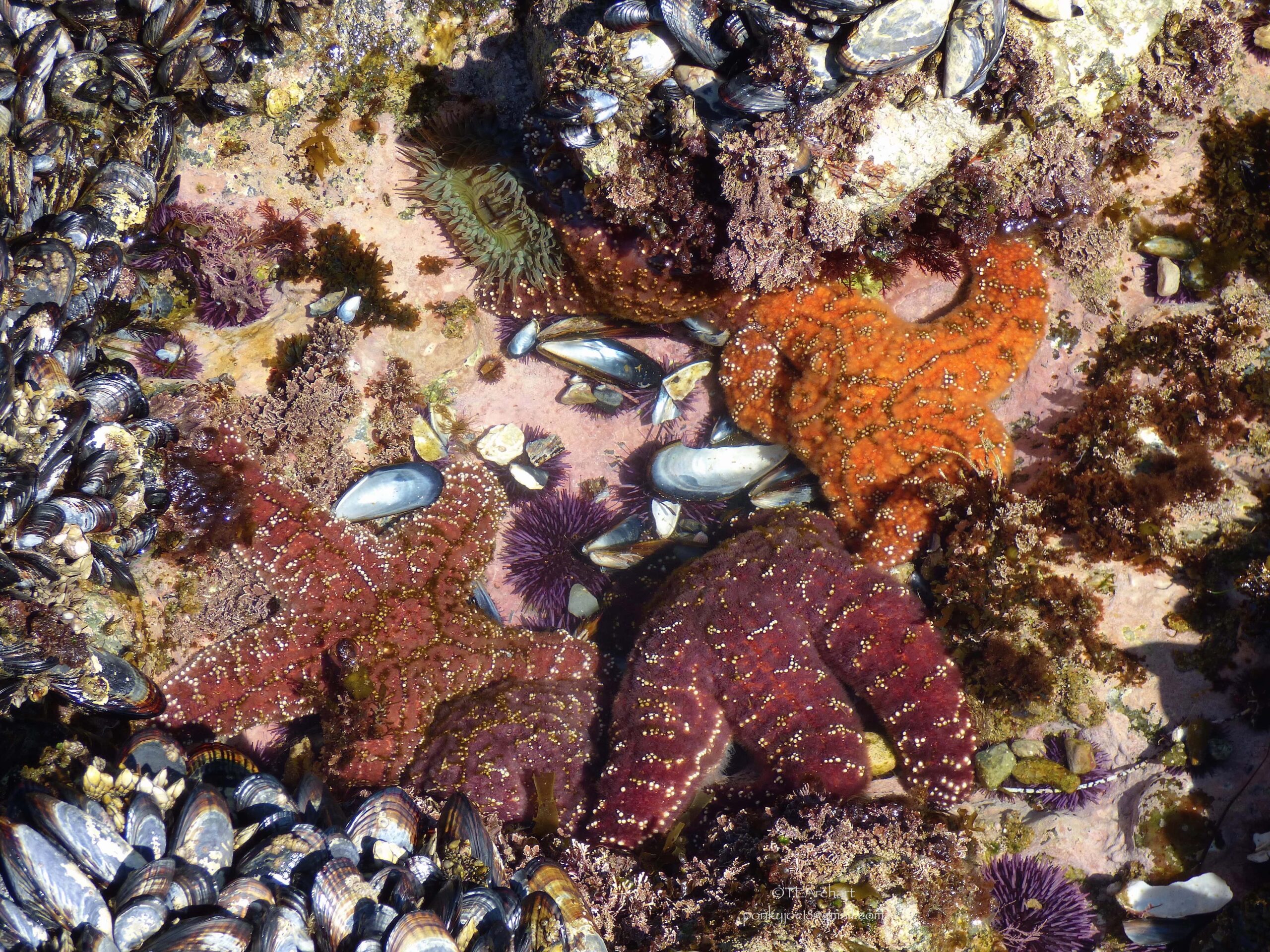
Tidepool Animal Incredible Adaptations in a Marine Protected Area
Join us on a virtual field trip to Crystal Cove State Park’s Marine Protected Area (MPA) to learn about tidepool habitats and the incredible adaptations that tidepool animals use to survive harsh environments where land meets the sea! Students explore topics including habitats, tides, adaptations, food chains, and defense mechanisms. Students also learn about Marine Protected Areas and how they help protect these fascinating and fragile tidepool ecosystems.
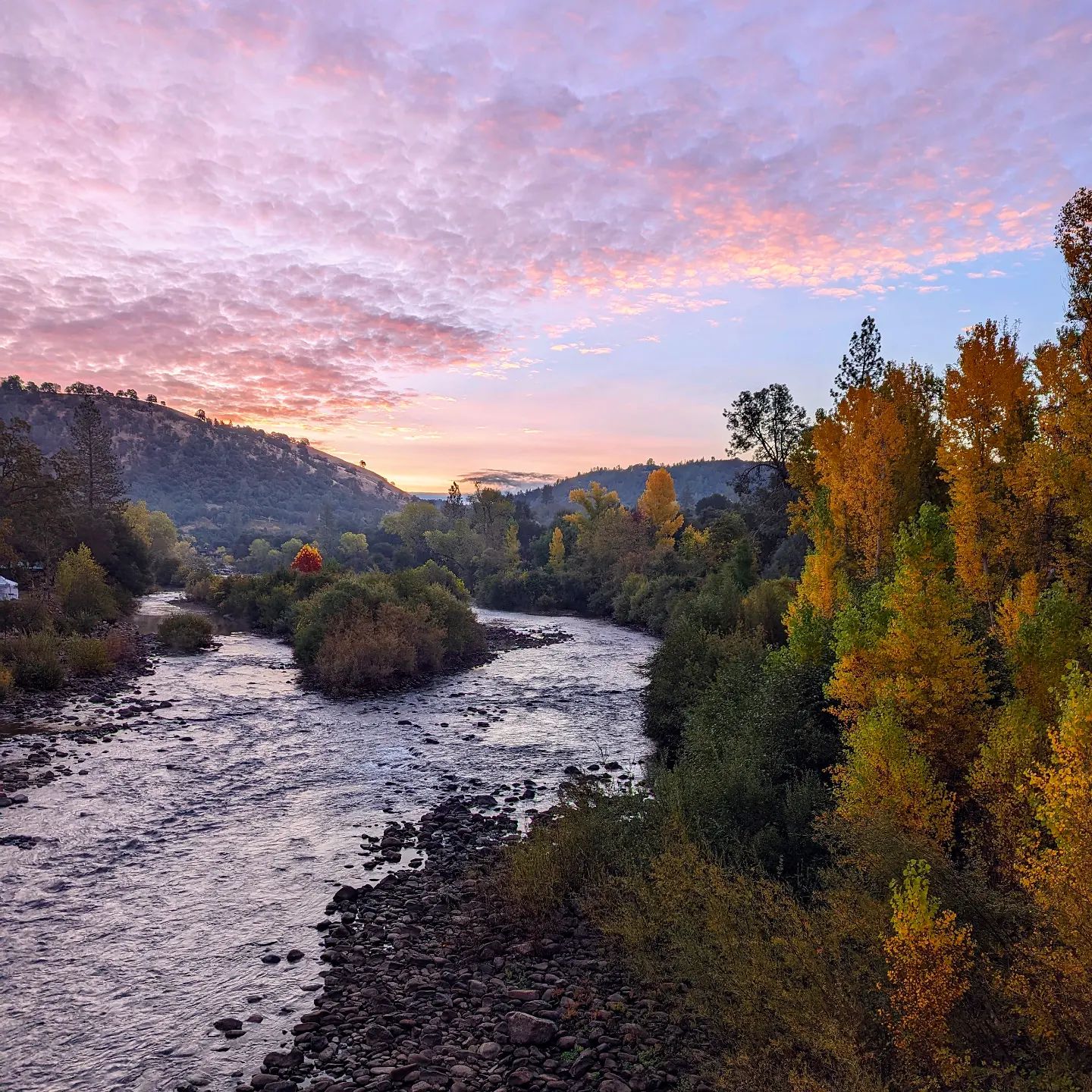
How the Discovery of Gold Changed the Cultural Face of California
Join us at Marshall Gold Discovery SHP as we explore the history of the Coloma Valley before, during and after the Gold Discovery. During our program, we will take a walk through our park and learn how the discovery of gold changed California both culturally and environmentally. We will start with the story of the Coloma Valley before the Gold Discovery and will learn about the history of the California Gold Rush and its impact on the town of Coloma and the surrounding valley. Program resources for classrooms can be found here.
.
Salt Marsh Secrets
In this program, students will discover salt marsh plant and animal species using observational skills, movement, and nature journaling techniques. We’ll focus on the plants’ adaptations to salty ocean water in the largest coastal wetland in southern California. Join us virtually at the Tijuana River National Estuarine Research Reserve.
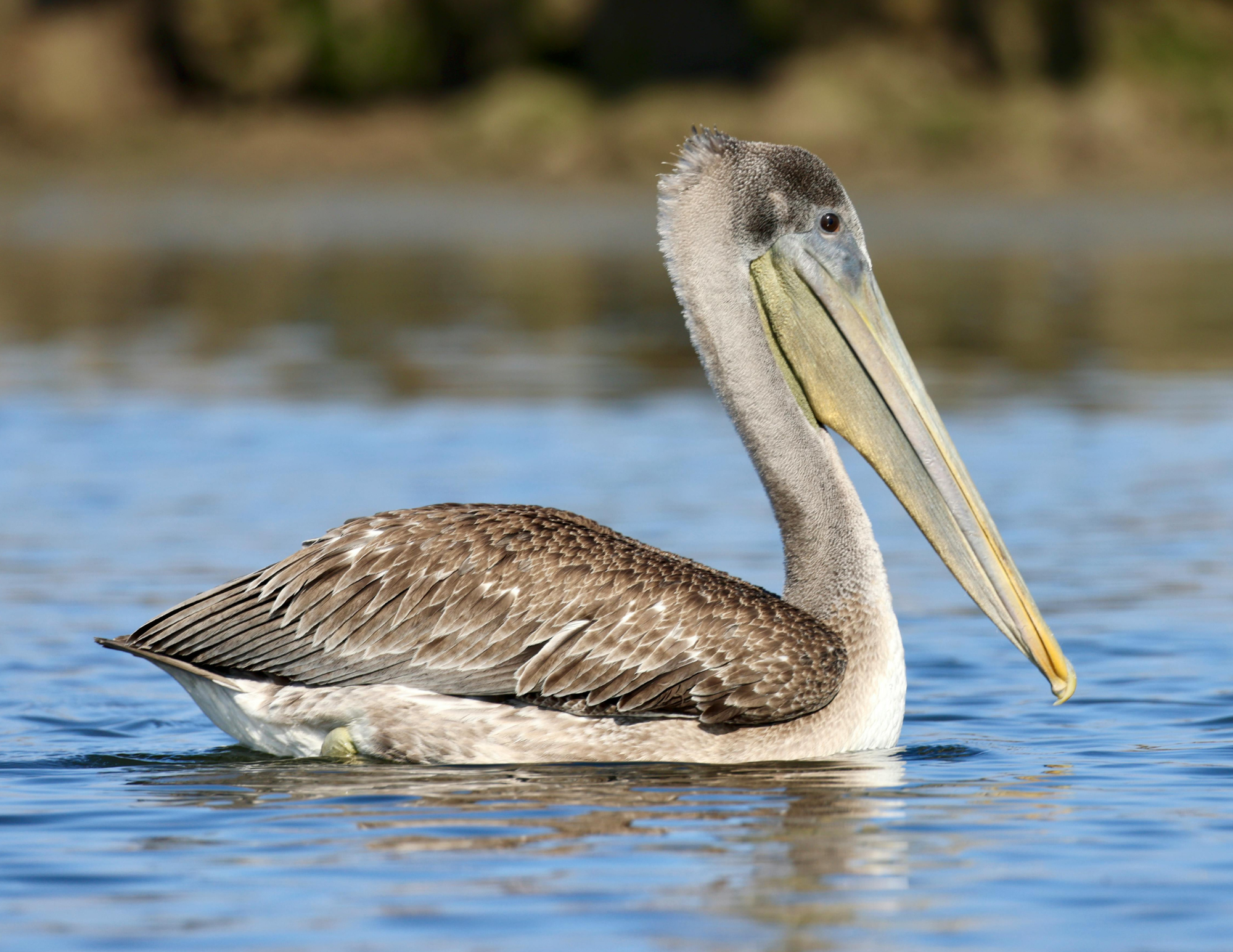
Pelican Draw Along
Join us at Gaviota State Park as we soar alongside one of our favorite coastal birds: the pelican! Together, we’ll discover more about this majestic pelican form, explore its unique anatomy and habitat along the Santa Barbara Coast, and learn how this remarkable bird is adapted to life by the sea. We believe you peliCAN draw it! During this fun, all-ages program, students will learn step-by-step how to draw their very own pelican. Recommended art supplies: – Paper – Drawing tools like pencil, pen, and/or colored pencils
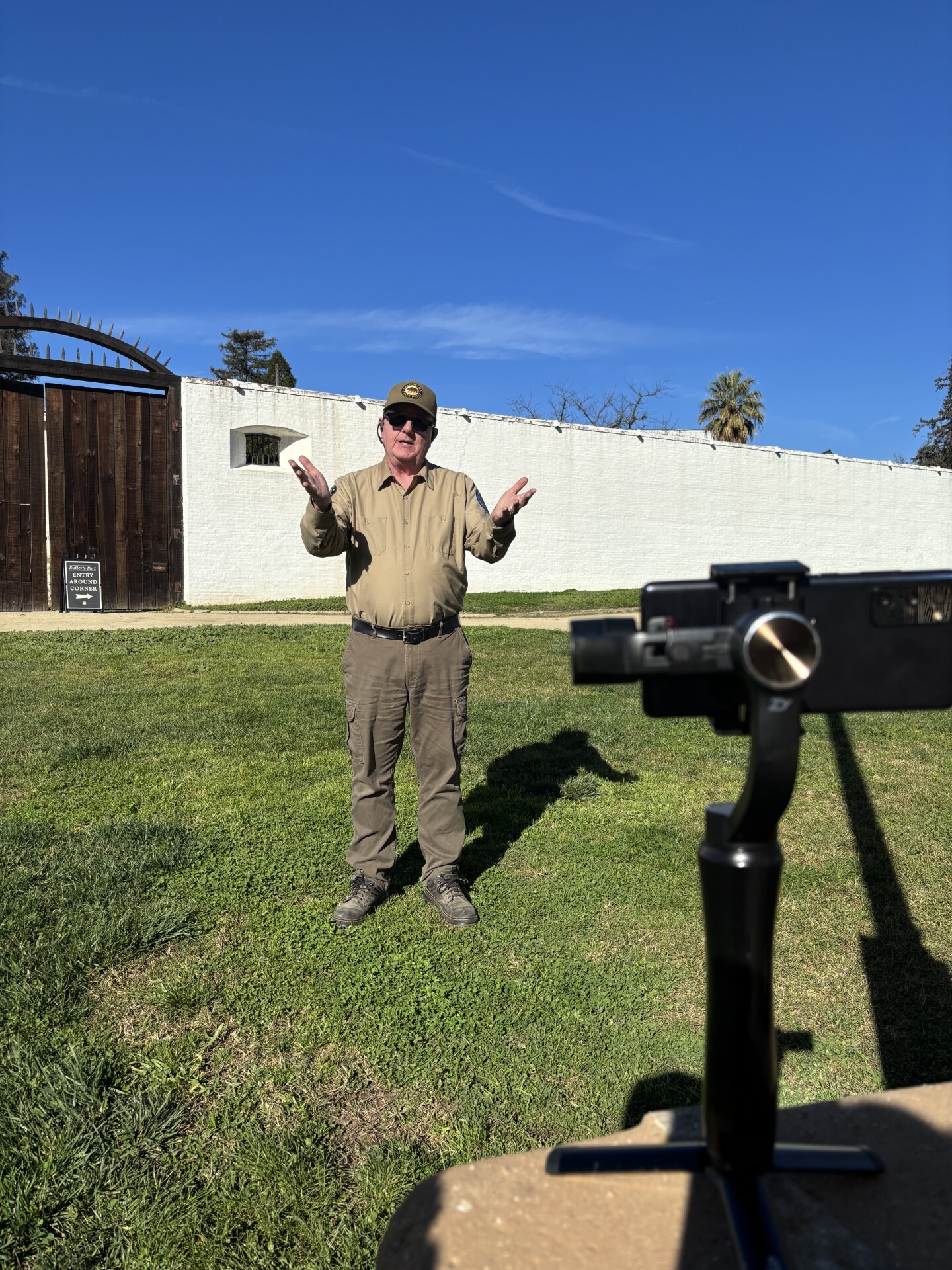
Sutter’s Fort Through Time – California Before the Gold Rush
In this one-hour virtual tour of Sutter’s Fort State Historic Park, your students will join our presenter to examine the significant events associated with this historic site. They will learn about the lasting impacts the Fort had on the Native peoples of the Sacramento Valley, how and why John Sutter and other European Americans came to California, why the Fort was built, what work took place at the Fort, and why the Fort was abandoned during the beginning of the Gold Rush. Best suited for grades 3rd-5th, but all grades are welcome.
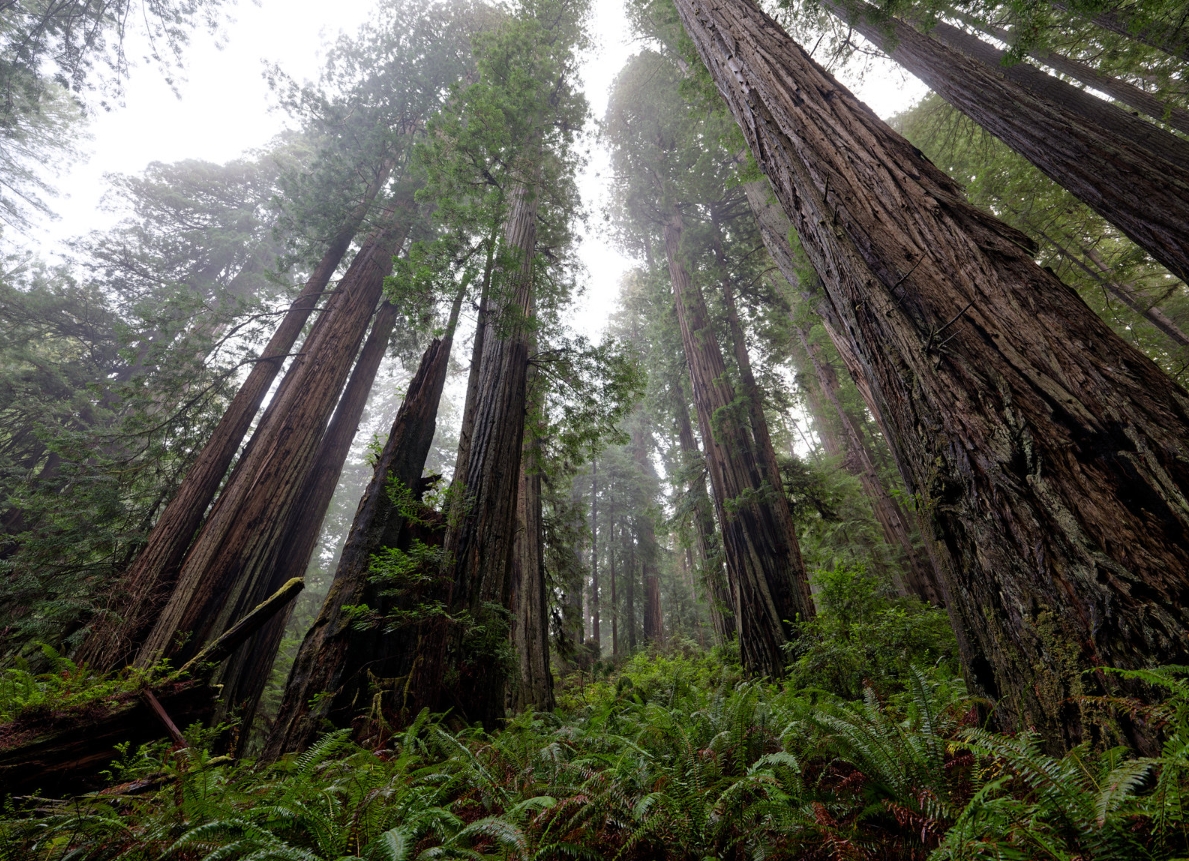
Rooted in Hope: Changing Climate Change
Climate change is real, and it is accelerating – but restoring and protecting coast redwood forests is one of the most effective natural climate solutions on Earth. “Redwoods have endured for millions of years, helping stabilize our planet and inspire resilience. By protecting and restoring these giants, we connect with their legacy, take meaningful action for the climate and leave a healthier world for future generations.” We will discuss how each of us has a role to play as stewards of California and this planet.
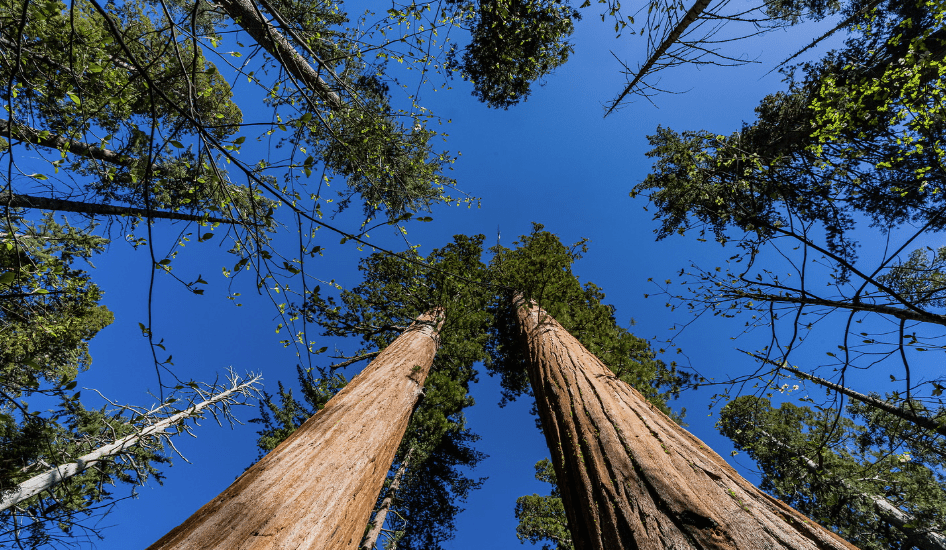
Survival Secrets of the Sequoia
In this program, students will be introduced to the wonders of the giant sequoia, the biggest individual tree, and learn all about their survival secrets. We will walk around part of a giant sequoia grove at Calaveras Big Trees State Park and observe how the giant sequoia is a part of the mixed conifer forest.
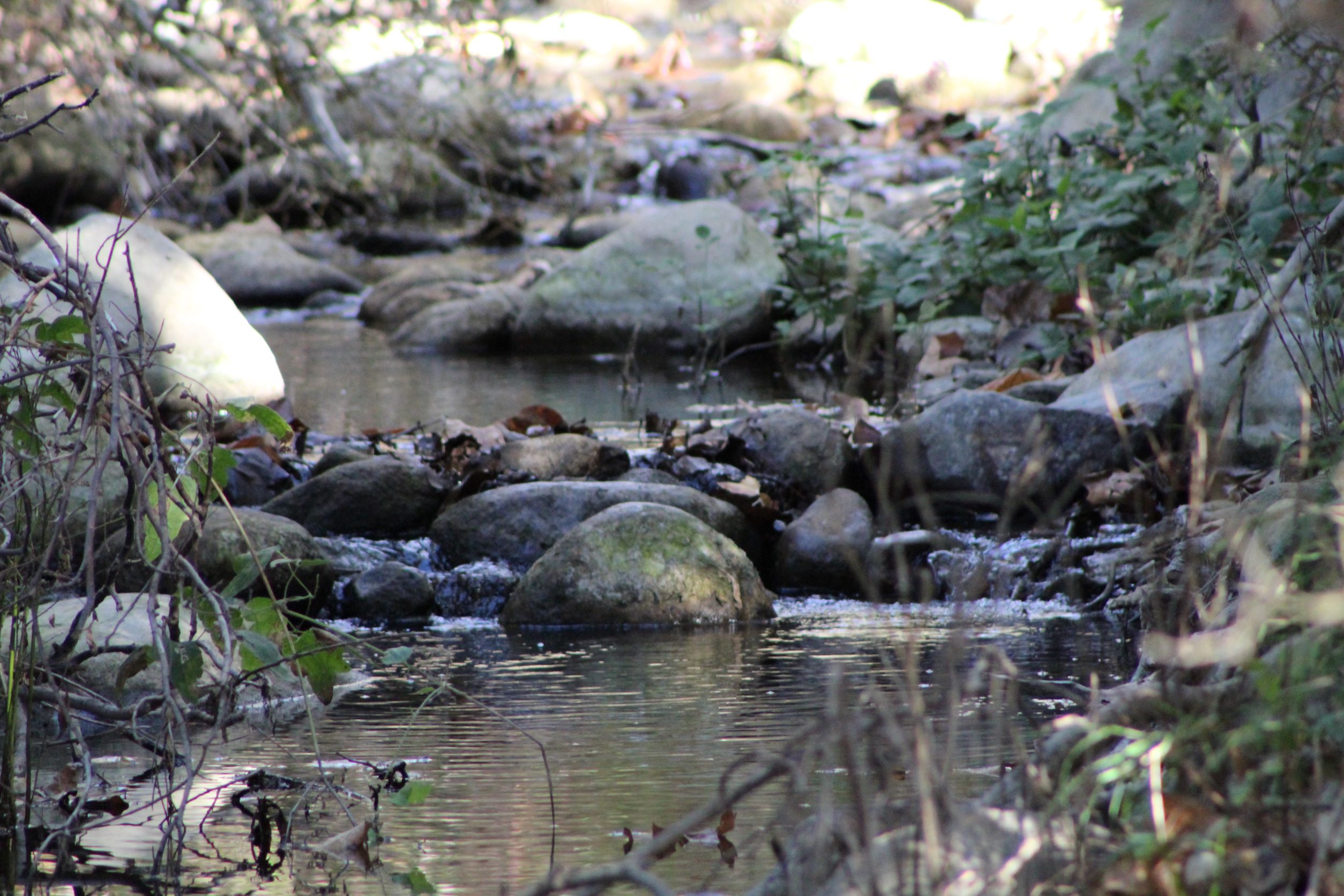
Creeks. Streams. Estuaries. Oh my!
Explore the Gaviota watershed and discover how water connects the mountains, creeks, coast, and ocean at Gaviota State Park. Learn how this unique landscape shapes the plants, animals, and people who call the Gaviota Coast home—and why protecting our watersheds matters.